
Medical Student Pathology Opportunities
Anatomic and Clinical Pathology Rotation
The Department of Pathology offers two, month-long elective experiences for medical students through Harvard Medical School.
HMS PA 501: Clinical Clerkship in Pathology
Medical students will have the opportunity to participate in both Anatomic and Clinical Pathology. Students will be scheduled to work with residents, fellows and attending physicians in the various fields within anatomic pathology (e.g. surgical pathology, cytology, autopsy) and clinical pathology (e.g. microbiology, chemistry, hematopathology, transfusion medicine). For example, they will have the opportunity to attend intraoperative consultations (i.e. frozen sections), follow surgical cases from gross evaluation to microscopic sign-out, participate in autopsies, be involved with the clinical laboratories and attend blood transfusion medicine rounds.
As an elective rotation, if a student has a particular area of interest within the field of Pathology, the schedule can be tailored to allow adequate exposure if advance notice is given to the Course Director. Of note, for the month of July the rotation will consist of Anatomic Pathology only and students will have the opportunity to learn alongside the incoming pathology residency class. At the end of the rotation, the medical student will give an approximately fifteen-minute presentation on a case or relevant topic of his or her choice. There is a maximum of two students per rotation. Note: Dr. Matthew Rosenbaum is the Director for the course.
HMS PA 511M Clinical Laboratory Medicine
This clerkship is a month-long elective designed to expose medical students to the discipline of laboratory medicine. Regardless of intended specialty, a deeper understanding of laboratory testing will provide a very useful foundation for future patient care. Medical students will spend time in each of the four major clinical laboratories (blood bank, microbiology, chemistry and hematology).
Through discussion with the course directors prior to the start of the rotation, a schedule will be tailored to the medical student's interests and aspirations. Students, along with technologists, residents, fellows and attendings, will become part of clinical pathology team in each laboratory. They will spend time at the bench observing and/or performing testing (e.g., bacterial culture, antibody identification in the blood bank) and participate in daily laboratory rounds where clinical, methodology, management and quality assurance issues are discussed. They will also participate in the laboratory specific didactic/tutorial sessions and be given directed readings to help build an adequate knowledge base.
In addition, students will attend laboratory specific interdisciplinary conferences where they may present select material (e.g., microbiology plate rounds to the infectious disease fellows and attendings). Students will be expected to give at least one presentation at our weekly laboratory medicine case conference during the third or fourth week of their rotation. The presentation will be approximately 15 minutes in length and focus on a case that occurred during the rotation with a discussion on management and pertinent laboratory medicine issues. The relevant attending will advise the student on choice of topic and presentation. Note: Drs. Richard L. Haspel and Kerry O'Brien are co-directors for the course.
For more information about HMS courses, you can visit the Course Catalog or learn about our Visiting Clerkship Program (if you're not currently a HMS student).
Experimental Pathology Research
Medical students can perform research as part of their Scholarly Project in any of 20 different laboratories in the Division of Experimental Pathology. Current pathology-related research focuses on aging, Alzheimer’s, cancer progression and metastasis, antibiotic resistance, heart disease and more. Researchers investigate molecular and cellular mechanisms, develop new therapeutics and diagnostics, study non-coding RNAs, and use computational methods for complex biological pathways.
Collaboration is encouraged, leveraging resources from Harvard Medical School. Medical students can also engage in long-term pathology-related research projects, with training programs available for students and postdoctoral fellows.
Medical students interested in research opportunities should visit the BIDMC Office of Student Engagement and Experience website.
Advancing Care, Research & Education

Department of Pathology
The Department of Pathology provides world-class diagnostic and treatment services and is engaged in research and education activities.

Laboratory & Pathology Services
BIDMC offers a wide range of laboratory and pathology services to help you get the care you need with accurate test results.
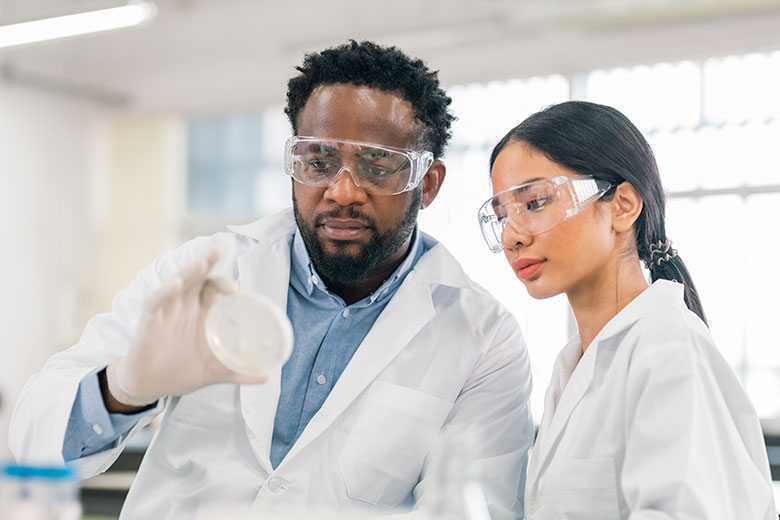
Pathology Research
The Division of Experimental Pathology explores the molecular and cellular mechanisms underlying infections and conditions.


