
Tests & Diagnosis
Prompt cardiovascular screening and diagnosis
Contact Us
Heart Health Screening
Beth Israel Deaconess Medical Center (BIDMC) offers the latest in tests and diagnostic tools for individuals with suspected or existing heart and vascular conditions. Imaging is used to diagnose a variety of cardiovascular conditions and can also help physicians monitor the effectiveness of treatment.
To ensure you get comprehensive care, your heart health team includes experts at BIDMC with training in different medical specialty areas.
Cardiovascular Testing Services
Our team uses cardiovascular testing to screen for, diagnose, plan and guide your treatment. We also use imaging and lab tests to monitor your condition or check how well your treatment is working.
We offer a range of testing:
- Stress tests (also known as exercise tolerance or treadmill tests)
- Vascular testing
Prompt Testing When Seconds Count
The BIDMC Emergency Department offers cardiovascular tests to quickly detect heart attack, stroke and other cardiovascular emergencies. For patients with heart-related symptoms that are non-life threatening but require prompt attention, the BIDMC Cardiac Direct Access Unit provides same-day assessment by a cardiologist. Patients must be referred by a physician's office.
Cardiovascular Genetic Testing
If your heart care team believes you could benefit, they'll recommend you have cardiovascular genetic testing. Genetic testing can give you and your family members valuable details about your risk of various diseases. This information allows your care team to better plan your care and limit your risk factors.
The Latest Minimally Invasive Techniques
BIDMC Interventional Cardiologists are leaders in minimally invasive techniques. When possible, we use minimally invasive procedures for cardiovascular conditions like heart valve repair. Our team is involved in the development and evaluation of leading-edge technologies for the treatment of complex cardiovascular disorders.
This surgical approach has many benefits for you:
- Less bleeding
- Less downtime
- Quicker healing
- Reduced infection risk
- Smaller surgical incisions (cuts)
Advancing Care, Research & Education

CardioVascular Institute
The CardioVascular Institute offers heart and vascular patient care, education opportunities for students, and a range of research programs.
Cardiovascular Research
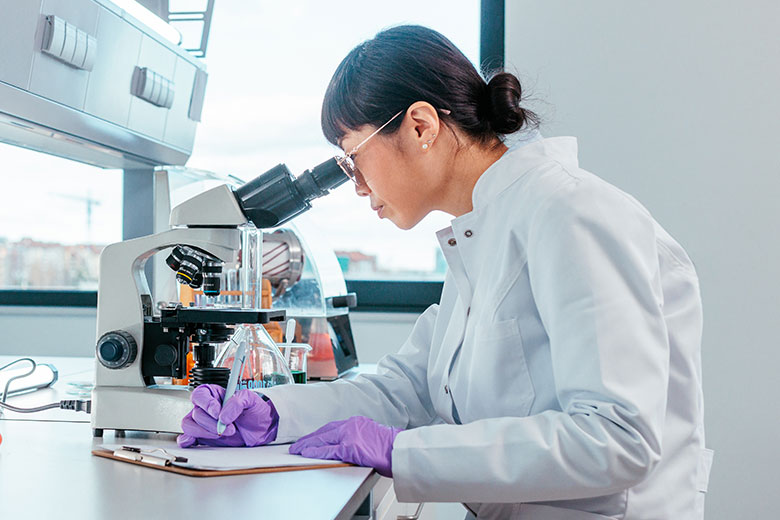
Our Cardiovascular Research programs are dedicated to advancing cardiovascular care through scientific research, clinical trials and data analysis.

Cardiovascular Education
The CardioVascular Institute offers comprehensive education and training programs for healthcare professionals, including fellowships and residencies.


