
Hypertrophic Cardiomyopathy (HCM)
Expert care and treatment for thickening of the heart wall
Hypertrophic Cardiomyopathy Specialists
Hypertrophic cardiomyopathy (HCM) is a common genetic condition that affects the heart muscle. HCM thickens the walls of the heart, limiting the amount of blood it can pump throughout the body.
The Beth Israel Deaconess Medical Center (BIDMC) Hypertrophic Cardiomyopathy (HCM) Clinic at the Center for Cardiovascular Genetics offers comprehensive care for HCM. Services include genetic counseling and treatment options such as implantable devices and surgery.
Understanding Hypertrophic Cardiomyopathy
There are two types of HCM: non-obstructive HCM and obstructive hypertrophic cardiomyopathy. Both varieties result in thicker heart walls, but obstructive hypertrophic cardiomyopathy affects blood flow.
Causes of Hypertrophic Cardiomyopathy
A change (mutation) in one copy of a heart gene that often runs in families is typically the cause of HCM. A mutation in one copy causes the gene not to work correctly and is enough to cause HCM. A person with a mutation has a 50% (one in two) chance of passing on the mutation to each of their children.
Hypertrophic Cardiomyopathy Signs & Symptoms
Many people with HCM don’t experience symptoms. This is why it can go undiagnosed for so long. These are typical symptoms when they do occur:
- Chest pain
- Dizziness
- Fainting
- Fatigue
- Rapid or irregular heartbeat (palpitations)
- Trouble breathing
Diagnosing Hypertrophic Cardiomyopathy
Your doctor will use the following to diagnose HCM:
- A comprehensive and personalized medical history, including family history
- Physical exam
- Cardiac testing
The most common imaging test is an echocardiogram, which measures the heart's size, thickness and ability to pump blood.
Depending on your situation, we may recommend these or other additional tests:
Hypertrophic Cardiomyopathy Treatments
Our team treats and manages HCM differently for each person. We'll base your individualized treatment plan on your symptoms and the severity of your HCM. Your treatment may include medical management, surgery and/or implantable devices.
In addition, we offer a personalized evaluation and management plan for you and your family that may include these steps:
- Genetic counseling
- Genetic testing
- Personalized treatment options
Surgery for Hypertrophic Cardiomyopathy
Our specialists provide the full range of effective surgical treatments for HCM, including septal myectomy surgery. During this procedure, the cardiac surgeon removes extra thickened muscle from the heart.
Hassan Rastegar, MD, BIDMC HCM Surgical Director, is an internationally known cardiac surgeon. Dr. Rastegar has extensive experience with HCM and has performed over 1,000 successful surgeries (septal myectomies) on patients with severe symptoms.
The procedure provides outflow obstruction relief to patients with HCM, extending longevity and restoring their quality of life. Dr. Rastegar’s surgical experience with treating HCM is one of the most extensive in the field.
Learn about HCM
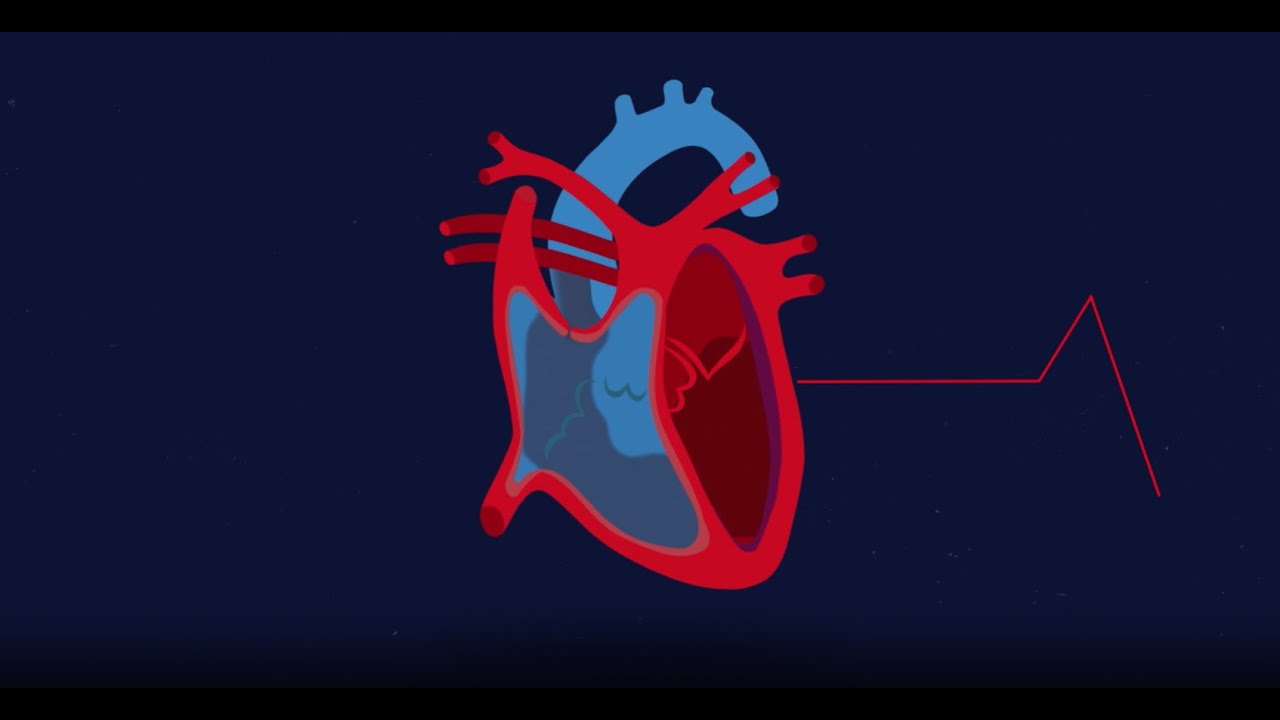
In this animation, we explain the symptoms, causes and treatments for patients with HCM.
Meet the Team
The Hypertrophic Cardiomyopathy (HCM) Clinic team offers comprehensive care for people with HCM.


Support Team

Advancing Care, Research & Education

CardioVascular Institute
The CardioVascular Institute offers heart and vascular patient care, education opportunities for students, and a range of research programs.

Cardiovascular Research
Our Cardiovascular Research programs are dedicated to advancing cardiovascular care through scientific research, clinical trials and data analysis.

Cardiovascular Education
The CardioVascular Institute offers comprehensive education and training programs for healthcare professionals, including fellowships and residencies.


