
Cardiovascular Genetic Testing & Counseling
Genetic testing to guide prevention and treatment
Contact Us
Genetic Testing for Cardiovascular Risk
Cardiovascular disease may run in your family. The Center for Cardiovascular Genetics provides genetic counseling and genetic testing to determine your inherited risk of developing a heart condition.
The Beth Israel Deaconess Medical Center (BIDMC) approach includes a personalized evaluation and management plan for you and your loved ones. This includes genetic counseling, testing and therapeutic options to fit your specific needs.
What is Genetic Testing?
A genetic test is a medical test that examines your DNA and genes. It looks for mutations and other problems. Although not all tests are the same, the results can provide these and other helpful details:
- Clarify a diagnosis
- Identify the cause of a heart condition
- Determine your risk of developing or passing on a heart condition
- Provide information for your family members about their chance of developing a heart condition
- Guide treatment and screening
Conditions for Genetic Testing
We welcome anyone who's concerned about their risk for cardiovascular disease to come for testing. You don’t need a referral. Consider using our services if you have any of these genetic risk factors:
- A family history of early, sudden cardiac death, particularly at age 60 or younger
- Prior experiences of blackouts or sudden loss of consciousness
- A diagnosis or family history of these issues:
- Hyperlipidemia and/or history of coronary artery disease at a young age
- Disorders of the heart muscle such as hypertrophic cardiomyopathy (HCM)
- Arrhythmias (abnormal heart rhythms) such as atrial fibrillation, long QT syndrome or Brugada syndrome
- Connective tissue disorders that may affect blood vessels, including Marfan's Syndrome
- Systemic diseases that may affect the heart and other organs, such as muscular dystrophy or skeletal myopathy
BIDMC features a specialty hypertrophic cardiomyopathy program. If the cardiogenetic testing team determines you may be at an increased risk for this condition, they will refer you to our expert team.
For clinic or telehealth appointments, please email us.
More About Cardiovascular Genetic Conditions
An inherited risk for cardiac disease means that a person was born with a faulty or irregular gene — a mutation — that can increase their chance for certain heart conditions.
If we find out that you have one of these mutations, we can offer specialized cardiac screening and/or treatments. This can help you and your doctors manage your risk to keep you as healthy as possible.
Knowing about a heart gene mutation also can help you understand your family's risk for cardiac disease. It can help you and your family take steps to lower your overall risk.
DNA is a chemical that lives in our cells. It is passed down genetically from our birth parents. DNA has specific instructions for how our bodies are formed and how they function, grow and stay healthy. Hair, heart, muscles, bones, teeth — all parts of the body are created from our DNA code.
Genes are sections of DNA that have a particular set of instructions. Changes in a gene (mutations) can cause the gene to stop working as it should.
It is important to gather information about your family’s health history. We'll ask about your children, siblings, parents, nieces, nephews, grandparents, aunts and uncles on both sides of your family. Before your appointment, try to find out this information:
- Which family members have had a heart condition
- What type of heart condition they had
- Ages they were diagnosed
- Ages that family members passed away and what caused them to pass away (a heart condition or another cause)
If you or any family members have already had genetic testing, please bring a copy of the test results to your appointment.
You will meet with a genetic counselor and/or a doctor. During your visit, our team will discuss these and other things with you:
- Review your personal and family history in detail, focusing on heart conditions in your family
- Assess the likelihood that a genetic heart condition runs in your family
- Provide information on basic genetics
- Discuss the options for genetic testing, including the benefits, risks and limitations
- Help you make an informed decision about genetic testing
After your visit, we will follow up with results, more information and resources. If our team identifies a cardiovascular concern, doctors will take these steps:
- Follow you and your family members over the long term
- Recommend preventive measures and proactive treatments
- Work to reduce your cardiovascular disease risk and manage existing heart disease
If our team does not recommend medical management of your condition, we’ll work with BIDMC cardiac surgeons to offer you surgical options for your genetic heart disease, such as hypertrophic cardiomyopathy.
Genes may play a role in whether you develop an aortic aneurysm, particularly a thoracic aortic aneurysm (TAA). Conditions that increase the risk of aortic aneurysm include these and others:
- Aneurysm-osteoarthritis syndrome
- Bicuspid aortic valve
- Family history of thoracic aortic aneurysm and dissection (TAAD)
- Loeys-Dietz syndrome
- Marfan syndrome
- Polycystic kidney disease
- Turner syndrome
- Type IV (vascular) Ehlers-Danlos syndrome
The Aortic Center at BIDMC provides these comprehensive services for those who may have an increased risk of aortic aneurysm due to genetic factors:
- Coordination of multidisciplinary care with medical and surgical specialists
- Individualized counseling about genetic test results
- Latest genetic testing and screening
- Long-term, follow-up care
About the Center for Cardiovascular Genetics
In this video, Usman Tahir, MD, Caitlin Finn, MS, CGC, and Robert Gerszten, MD, describe the work of the Center for Cardiovascular Genetics.

Meet the Team
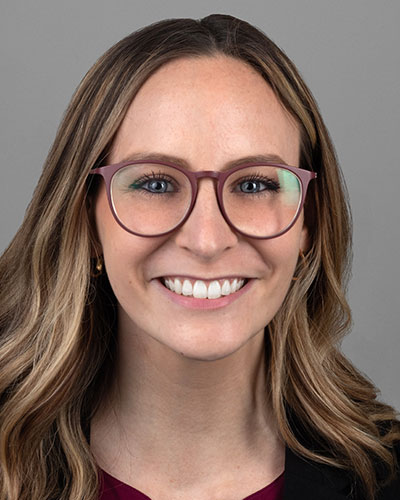
The Center for Cardiovascular Genetics team provides personalized care, including genetic counseling and genetic testing for cardiovascular risk.


Support Staff

Advancing Care, Research & Education

CardioVascular Institute
The CardioVascular Institute offers heart and vascular patient care, education opportunities for students, and a range of research programs.

Cardiovascular Research
Our Cardiovascular Research programs are dedicated to advancing cardiovascular care through scientific research, clinical trials and data analysis.

Cardiovascular Education
The CardioVascular Institute offers comprehensive education and training programs for healthcare professionals, including fellowships and residencies.


