
Aortic Aneurysm Screening & Diagnosis
Leading-edge vascular disease testing
Detect Aortic Aneurysms Early with Screening
Screening is the only way to detect an aortic aneurysm before symptoms appear. Beth Israel Deaconess Medical Center (BIDMC) offers the latest in comprehensive screening services for aortic aneurysm diagnosis.
Understanding Aortic Aneurysm Screening
If left untreated, an aortic aneurysm can rupture, or burst, and cause dangerous bleeding or even death. An ultrasound can detect an aortic aneurysm simply and painlessly.
Ultrasound uses sound waves to create an image of your aorta. The test measures the size of an aneurysm so that your doctor can recommend next steps for treatment. The ultrasound screening usually takes less than 30 minutes.
Risk Factors for Aortic Aneurysms
Screening is particularly important if you fall in these categories:
- Are a male over 65 years old who has smoked
- Have a family history of aortic aneurysm
- Aneurysm-osteoarthritis syndrome
- Bicuspid aortic valve
- Family history of thoracic aortic aneurysm and dissection (TAAD)
- Loeys-Dietz syndrome
- Marfan syndrome
- Polycystic kidney disease
- Turner syndrome
- Type IV (vascular) Ehlers-Danlos syndrome
Your risk increases with age. Men are four times more likely to develop an aortic aneurysm than women. Screening is vital if you are at risk so that your doctor can refer you for a full diagnosis and treatment as soon as possible.
If you think you may be at risk, ask your primary care doctor about screening. If you have a referral, please call 617-632-9959 to schedule an appointment.
More About Aortic Aneurysm Screening & Diagnosis
For those who may have an increased risk of aortic aneurysm due to genetic factors, our Aortic Center provides these and other comprehensive services:
- Coordination of multidisciplinary care with medical and surgical specialists
- Individualized counseling about genetic test results
- Latest genetic testing
- Long-term follow-up care
Screening Cost
Costs vary depending on your insurance coverage. If you have Medicare, you may be eligible for a one-time free screening if you’re at risk and have a referral from your doctor. Contact Medicare or talk to your doctor to learn more about the cost of screening.
Accurate imaging is an essential first step to diagnose and treat all types of aortic disease. Our Vascular Lab and Non-Invasive Cardiac Imaging Program conducts imaging studies to diagnose aortic conditions.
Imaging also provides an in-depth view of your anatomy to guide pre-operative evaluation. These are the most common imaging tests for vascular issues:
Depending on your needs, your aortic aneurysm team includes a combination of specialists from throughout our Aortic Center. If you need surgery, we will coordinate your aortic aneurysm repair with our highly experienced surgeons.
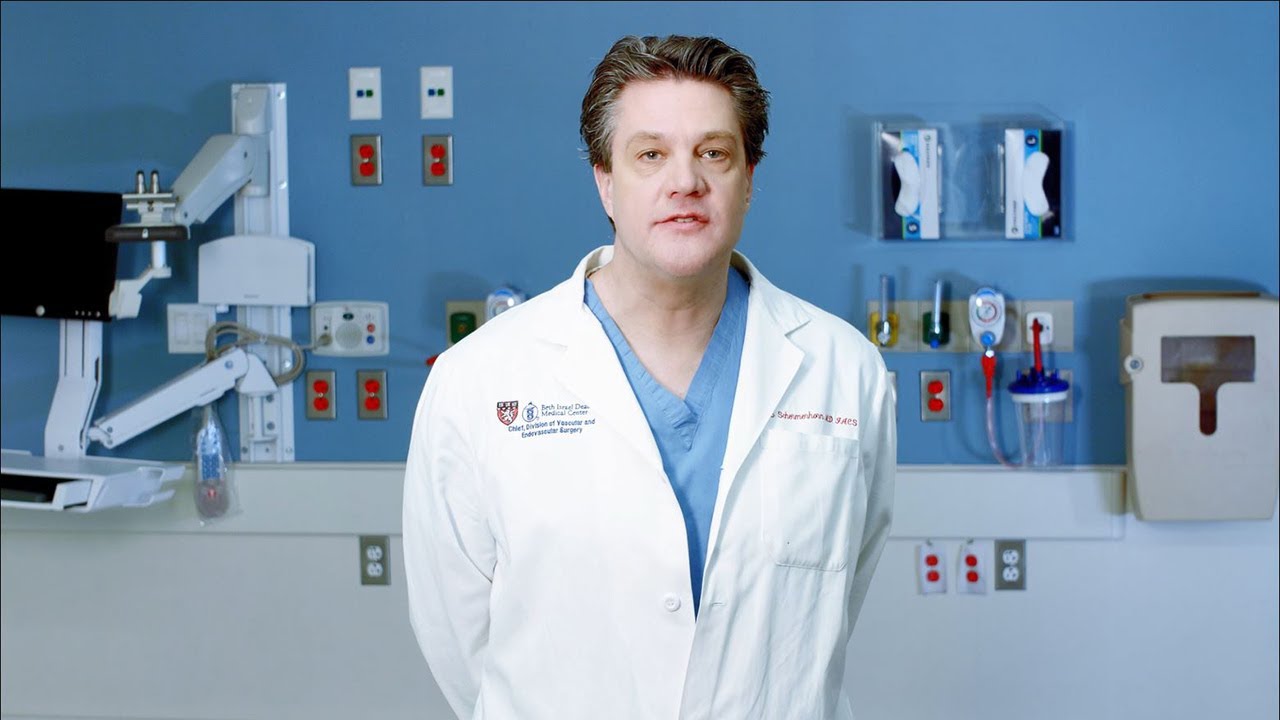
Aortic Aneurysms: Risk, Screening and Treatment
Marc Schermerhorn, MD, Chief of Vascular and Endovascular Surgery at BIDMC, explains aortic aneurysms and why it's essential to seek treatment if necessary.
Advancing Care, Research & Education

CardioVascular Institute
The CardioVascular Institute offers heart and vascular patient care, education opportunities for students, and a range of research programs.

Cardiovascular Research
Our Cardiovascular Research programs are dedicated to advancing cardiovascular care through scientific research, clinical trials and data analysis.

Cardiovascular Education
The CardioVascular Institute offers comprehensive education and training programs for healthcare professionals, including fellowships and residencies.


