
Raynaud's Disease
Expert treatment for Raynaud’s syndrome
Contact Us
Multidisciplinary Care for Raynaud's Phenomenon
The Beth Israel Deaconess Medical Center (BIDMC) Raynaud's Center provides expertise in diagnosing and treating Raynaud's disease. We combine expertise from specialists throughout BIDMC to treat your condition.
Depending on your needs, your Raynaud's team may include these and other specialties:
- Vascular medicine
- Rheumatology
- Pulmonary hypertension (high blood pressure in the lungs)
- Hand care, including hand surgery
Our team provides care for Raynaud's in both the outpatient setting and in the hospital.
Understanding Raynaud's Disease
Raynaud's syndrome — also called Raynaud's disease or Raynaud's phenomenon — is an overreaction of blood vessels in the fingers and toes, often in response to cold or stress. The condition can cause the skin to turn white and/or blue. You also may feel pain, tingling or throbbing sensations.
Types of Raynaud's
Primary Raynaud's most commonly occurs in young females, with typical onset before age 35.
Secondary Raynaud's phenomenon occurs due to:
- An underlying connective tissue disease like lupus or scleroderma
- Certain medications
- Injury
Severe cases of secondary Raynaud's phenomenon can result in tissue damage.
Diagnosing Raynaud's Disease
If your doctor suspects that you may have Raynaud's, they will complete a detailed physical exam. They may order blood tests and imaging tests.
Raynaud's Phenomenon Treatments
The first course of treatment for Raynaud's disease is taking steps to avoid the triggers (typically cold or stress) that cause your symptoms. Keeping your hands and feet warm is key.
If avoidance strategies aren't enough to manage your condition, your vascular specialist may recommend medications to dilate (open up) your blood vessels. In severe cases, the care team may recommend surgery or injections.
Meet the Raynaud’s Center Team


Advancing Care, Research & Education

CardioVascular Institute
The CardioVascular Institute offers heart and vascular patient care, education opportunities for students, and a range of research programs.
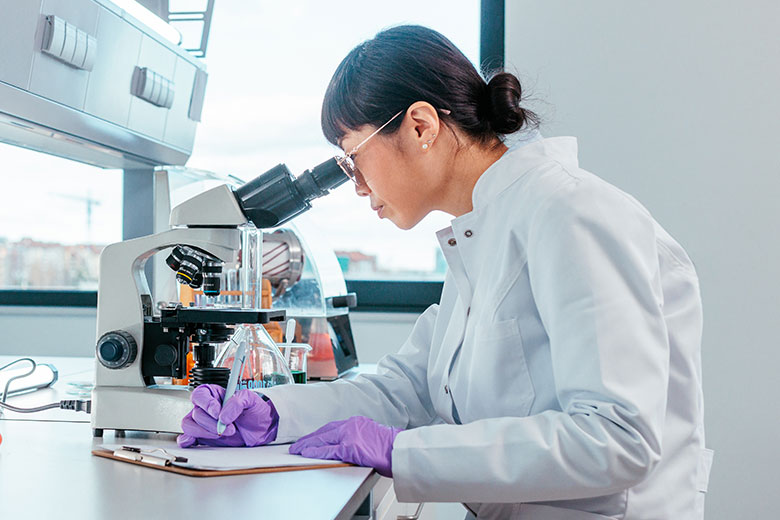
Cardiovascular Research
Our Cardiovascular Research programs are dedicated to advancing cardiovascular care through scientific research, clinical trials and data analysis.

Cardiovascular Education
The CardioVascular Institute offers comprehensive education and training programs for healthcare professionals, including fellowships and residencies.


