
Cancer Screening & Diagnosis
Precision in testing and diagnosis for cancer
Contact Us
Early Detection Can Save Lives
At Beth Israel Deaconess Medical Center (BIDMC), our world-class pathologists provide expert interpretation of tissue samples. We understand the subtle nuances that help make accurate diagnoses. At BIDMC, you’ll receive comprehensive, accurate and timely cancer screening and diagnosis services. We focus on preventive care, including early diagnosis and cancer prevention.
BIDMC providers are experts in their respective fields and experienced in all types of cancer and benign diseases. Our teams are especially adept at identifying factors that may:
- Influence a risk of cancer recurrence
- Foreshadow the development of subsequent cancer from benign disease
- Indicate tumor progression
What are Cancer Screenings?
A cancer screening is a type of exam doctors use to diagnose cancer. These screenings often catch cancer when it’s early — even if you don’t have any cancer signs and symptoms. The earlier we can diagnose cancer, the better your chances for effective treatment and a positive outcome.
Your primary care provider will recommend the cancer screening guidelines that are right for you. These screening recommendations depend on a variety of risk factors:
- Age
- Lifestyle
- Personal and family health histories
- Results of previous testing
- Sex
Screening Services We Offer
We offer a comprehensive suite of cancer screening services:
- Digestive diagnostics for gastrointestinal (GI) issues, including colonoscopy for colorectal cancer
- Gynecologic cancer screenings for women’s wellness, including routine Pap smears, human papillomavirus (HPV) tests and in-depth testing for unusual Pap test results
- Laboratory services as part of your annual wellness visit
- Lung cancer screening
- Mammograms to detect early breast cancer
- Prostate cancer screening
Genetic Testing for Cancer
To help you understand and plan for your personal risk, we offer genetic testing for cancer. Our team of genetic counselors works with patients and their families to develop cancer screening and prevention strategies based on their individual cancer risks. Many of these strategies come from scientific research and clinical trials that study how genetics affects cancer risk, development and treatment.
Cancer Diagnostic Testing
If your doctor recommends you have cancer diagnostic testing, they may be looking for the cause of symptoms you’re experiencing. Or your doctor may recommend this type of testing after screening tests to diagnose or rule out cancer.
In some cases, treatment can take place at the same time as a diagnostic procedure. Doctors use cancer diagnostic testing for a variety of reasons:
- To learn the stage of cancer
- To support treatment planning
- To help monitor the effectiveness of treatments
Sentinel Node Biopsy
Your doctor can use a sentinel node biopsy to determine if cancer has spread. During a biopsy, your doctor removes a small tissue sample and sends it to the lab for close analysis.
Diagnostic Services We Offer
Learn about the diagnostic services we offer:
- Breast health services
- Breast biopsy
- Breast MRI
- Breast ultrasound
- Diagnostic mammography
- Digestive services
- Contrast imaging tests
- Endoscopy
- Rectal and anal ultrasound
- Musculoskeletal (MSK) diagnostic testing, including bone and soft tissue and sarcoma tumor diagnosis
- Neurologic tests and diagnosis, including brain and spinal tumor diagnosis
- Prostate care, including prostate biopsy and transrectal ultrasound
- Thyroid and parathyroid scans
- Video swallowing study to diagnose oral or throat cancers
Compassionate Support for Cancer
If you receive a cancer diagnosis, you can be assured that you have the full support of our Cancer Center care team. You’ll receive personalized, compassionate support during each stage of your journey.
More About Cancer Screening & Diagnosis
Radiology
Here, you’ll benefit from the expertise of a multidisciplinary care team and the latest in advanced imaging techniques. BIDMC radiologists use imaging for these and other reasons:
- Screen for cancer
- Diagnose cancer
- Plan cancer treatment
- Guide treatment
- Monitor the effectiveness of treatment
Our radiologists offer a full suite of imaging techniques.
Pathology
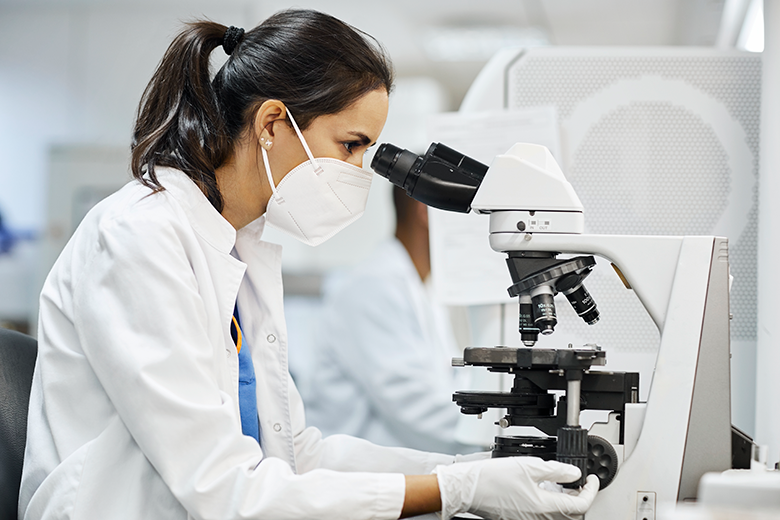
Each year, BIDMC pathologists examine about 60,000 tissue specimens and perform nearly 7 million laboratory tests. Every blood or urine sample, throat culture and tissue specimen comes to the pathology labs at BIDMC. Our pathologists examine, measure, analyze and interpret these samples to understand details that are critical to your care.
Our team provides your oncologist with information related to many key areas of cancer care:
- Cancer screening
- Diagnosis
- Staging
- Treatment planning
- Risk of recurrence
Oncologists (cancer doctors) use interventional procedures to diagnose these and other types of cancer:
Specialists also use interventional procedures to perform advanced treatments such as ablation and embolization.
CT Scan
During a CT scan, specialized X-ray equipment takes detailed images of inside your body at various angles. Your doctor can use a CT scan to:
- Locate a tumor
- Get details about the tumor
- Plan cancer treatment
- Determine whether treatment is effective
Your doctor can use a CT-guided biopsy to take a bone marrow biopsy.
MRI Scan
During an MRI scan, specialized equipment uses radio waves and a powerful magnet to create detailed images of the inside of your body. MRI images can show the differences between healthy and diseased tissue. Doctors often use MRI scans for the spine, brain, soft tissues of the joints or inside the bones.
PET & SPECT Nuclear Imaging
Our doctors use PET & SPECT nuclear imaging to locate tumors. This type of testing uses low doses of radioactive substances linked to compounds used by the body’s cells or compounds that attach to tumor cells.
Ultrasound
An ultrasound uses soundwaves to capture images of the inside of your body. Your doctor can use ultrasound imaging to locate tumors, guide biopsy and determine the best treatment for you.

Cancer Care
Our oncologists provide leading-edge cancer screening, diagnosis and treatment for all types of cancer.
Advancing Care, Research & Education

Cancer Center
The Cancer Center is renowned for exceptional cancer care and for pioneering discoveries in cancer treatment.
Cancer Research Institute
The Cancer Research Institute is an interdisciplinary center focused on understanding cancer with the goal of curing it.

Cancer Education & Training
The Cancer Center offers comprehensive education and training opportunities for residents, fellows and researchers.


