
Bone & Soft Tissue Tumor Care
Expert care for bone and soft tissue tumors
Contact Us
World-Class Care for Bone and Soft Tissue Tumors
If you’re facing a bone tumor or soft tissue sarcoma diagnosis, the experts at Beth Israel Deaconess Medical Center (BIDMC) are here for you. Our Cancer Center features a dedicated Bone and Soft Tissue Sarcoma Program. Our team is committed to providing you with prompt, accurate diagnosis and the latest treatment options for these complex types of cancer.
Sarcomas are treated with a combination of surgery, radiation and/or chemotherapy. With more than 100 subtypes of sarcoma, each patient requires multidisciplinary collaboration to develop an individualized treatment plan. Our team is committed to providing you with prompt, accurate diagnosis and the latest treatment options for these complex types of cancer.
Types of Bone and Soft Tissue Tumors
Our oncology experts care for all types of tumors that affect bones and soft tissue.
- Soft tissue sarcoma: Begins in the fat, muscle, nerves, blood vessels, fibrous tissues or deep skin tissues
- Extremity soft tissue sarcoma of all types: Occurs in the hands, arms, feet or legs
- Chest wall and breast sarcoma, including angiosarcoma: Begins in the lining of the blood and lymph vessels
- Intra-abdominal and retroperitoneal sarcoma: Cancerous tumors of the connective tissues
- Liposarcoma: Rare cancer that develops in fat cells
- Leiomyosarcoma: Develops in smooth muscles throughout the body
- Gastrointestinal stromal cell tumor: Develops in the digestive system, most often in the stomach or small intestine
- Malignant (cancerous) or benign (non-cancerous) peripheral nerve sheath tumor: Occurs in the linings of the nerves that run from the spinal cord into the body
- Synovial sarcoma: Typically develops in the arms or joints near joints
- Solitary fibrous tumor: Rare cancer that can develop in any part of the body but most often in the pleura, a thin membrane that protects the lungs
- Rhabdomyosarcoma: Develops in the muscle tissue
Screening & Diagnostic Tools
Our team will perform specialized screening and diagnostic tests to diagnose your bone or soft tissue tumor. Imaging tests — like X-rays, MRI, MRI angiogram or CT scans — help us learn more about the tumor and the area of your body where it developed.
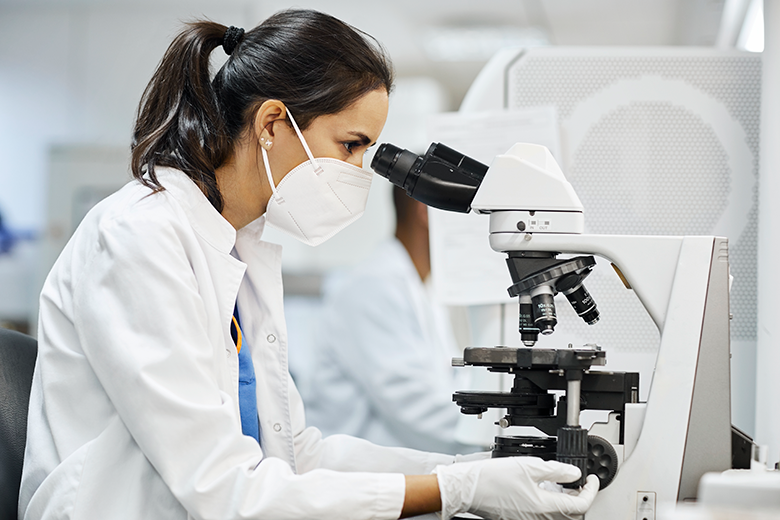
Making a correct diagnosis also involves taking a biopsy. Our pathologists carefully examine slides from the biopsy, and your doctor will review the report.
Your doctor may suggest one of these types of biopsies:
- In an image-guided needle biopsy, musculoskeletal radiology physicians — guided by CT or ultrasound — insert a needle into the tumor to take a small core sample of cells for analysis. A surgeon is also present to help guide the needle’s path. This outpatient procedure uses a local anesthetic to numb the area.
- In a surgical biopsy, a surgeon uses a scalpel (surgical knife) to make a small incision (cut) and remove a wedge of tumor for analysis. This is usually an outpatient procedure. The surgeon will perform this biopsy in the operating room with anesthesia.
In many cases, you won’t have a biopsy result at your initial visit. We will arrange for a biopsy once we have gathered your information and imaging studies.
Staging Bone & Soft Tissue Tumors
Staging is the next step. During staging, your doctor determines whether the tumor has spread and if so, where. You may need more imaging studies, such as CT, bone scan or PET scan.
The surgical oncologist injects an area of the tumor with dye, which is picked up in the lymph nodes. The surgical oncologist removes the lymph node(s) that are both the first to absorb the dye and absorb the largest amount. The oncologist then examines the removed lymph nodes to determine if they contain any tumor cells.
In some cases, the surgeon will remove these lymph nodes during the same operation when they are removing the tumor, to be sure all traces of cancer are gone. In other cases, a second surgery is needed.
Personalized Treatment Planning
At our weekly multidisciplinary conference, we review all of your medical information. Our collaborative team makes recommendations for your care plan.
Our musculoskeletal radiologists report on your imaging studies, and our musculoskeletal pathologists review the results of your tissue biopsy. Surgical oncologists, medical oncologists and radiation oncologists voice their opinions. Together as a team focused solely on you, we reach agreement on the best treatment options for your particular tumor.
More About Bone & Soft Tissue Sarcoma Care
If you’ve been diagnosed with — or your doctor suspects — bone or soft tissue sarcoma, it helps to know what you can expect at BIDMC. Our oncology team works together with your referring physician to provide initial diagnosis and treatment, second opinions and follow-up care. We believe in open communication, personal attention and shared decision-making.
We offer these services and more:
- State-of-the-art diagnosis and treatment, including clinical trials
- Multidisciplinary evaluation and treatment that gathers a team of experienced and compassionate doctors, nurses and other health care professionals working on your behalf
- Patient-focused and customized care, to respect your personal preferences and wishes
Our doctors, nurses and other health care professionals at BIDMC will help you learn these specifics:
- Your exact cancer diagnosis
- The tests you will have and any necessary preparations
- Your treatment and procedure options
- Your recovery period, medications, returning home and much more
Your First Visit
Your initial visit at one of our Cancer Center locations involves these key steps:
You may qualify for one of our extensive clinical trials. We’ve designed these research studies to find better treatments for cancer patients based on the most updated information from around the world. We are committed to bringing you the latest in effective treatment options.
Follow-up care after your initial treatment for sarcoma — called surveillance — includes these steps:
- Physician evaluation to address any symptoms
- Radiologic scans to check for tumor relapse in the original site or in metastatic sites where the cancer may have spread
Surveillance care continues at regular intervals for many years.
We provide supportive care and rehabilitation to help you manage symptoms of cancer and side effects of cancer treatments, including pain management. We also offer palliative care services and specialized cancer social work services during and after treatment.

Cancer Programs
Our oncologists offer effective cancer services including treatment options for all types of cancer and stages of cancer.
Advancing Care, Research & Education

Cancer Center
The Cancer Center is renowned for exceptional cancer care and for pioneering discoveries in cancer treatment.
Cancer Research Institute
The Cancer Research Institute is an interdisciplinary center focused on understanding cancer with the goal of curing it.

Cancer Education & Training
The Cancer Center offers comprehensive education and training opportunities for residents, fellows and researchers.


