
Bone & Soft Tissue Tumor Treatments
Latest treatment options for bone and soft tissue tumors
Contact Us
Care for Bone Cancer and Soft Tissue Cancer
The Bone and Soft Tissue Sarcoma Program at Beth Israel Deaconess Medical Center (BIDMC) brings together leading specialists to provide innovative, multidisciplinary care for tumors of bone or soft tissue.
Expertise in Bone, Soft & Connective Tissue Tumors
We are internationally recognized for our expertise in limb-salvage reconstruction following surgical removal of tumors, and for our combined modality — surgical oncology, radiation therapy and chemotherapy treatments. Our technique, proficiency and outcome for limb-sparing surgery — a highly specialized operation — are among the finest in the nation.
Our orthopedic oncology surgeons also partner with Boston Children's Hospital to perform limb-sparing surgery for children with bone and soft tissue tumors.
Treatment for Types of Bone & Soft Tissue Tumors
The type of treatment we recommend is based on whether the sarcoma is low or high grade, and whether the tumor is localized or metastasized. Low-grade tumors grow more slowly.. High-grade sarcomas are often treated with a combination of radiation therapy and surgery when localized. A localized tumor is confined to one area and is easier to treat. Cancer that has metastasized has spread to other areas of the body, which requires more aggressive treatment.
Surgeons remove (or excise) the tumor. Our orthopedic oncology team of experts is internationally recognized for expertise in limb-salvage reconstructive surgery when removing the tumor to avoid amputation, preserve function and promote the greatest degree of mobility. Limb preservation is based on your age and health, and tumor size and location.
In limb-sparing surgery, once the surgeon has removed the tumor, a surgeon reconstructs any bone defects with bone graft, bone cement and/or metal replacements. We reconstruct any tissue defects, usually with local tissue.
Radiation therapy is typically the first treatment course if you have a localized (confined) high-grade (more advanced) soft tissue sarcoma. In some cases, you may need low-dose chemotherapy at the same time, in order to help shrink the tumor before surgeons can remove it.
Most often, following radiation and chemotherapy, surgeons can perform limb-sparing surgery to remove the tumor. Our surgical oncologists reconstruct soft tissue defects with local tissue or with muscle flaps, often with help from a plastic surgeon.
You also may need physical therapy and rehabilitation to restore range of motion and function to your affected limb. Your surgeon will discuss this with you both before and after your surgery.
If you have a localized (confined) high-grade (more aggressive) bone sarcoma, your treatment course is likely to include these steps:
- Chemotherapy before surgery
- Limb-sparing surgery with metal bone and joint replacements, and allografts (donated bone graft)
- Reconstruction of soft tissue defects that may require muscle flaps, with assistance from a plastic surgeon
- Additional chemotherapy after surgery, which may be the same or different from the chemotherapy you received before surgery
- Physical therapy to restore range of motion and function to the affected limb
Metastases are cancer cells that have spread from an original or primary site to one or more locations or organs elsewhere in the body. Metastatic sarcoma means your cancer has spread from the primary site (such as the tumor in your arm or leg) to another area, usually the lung or lymph nodes. If you have metastatic sarcoma, you will likely receive some combination of chemotherapy, radiation, and surgery, depending on the histologic subtype of tumor and the areas of your body involved.
Bone is a common site of metastasis from cancer of the breast, prostate, and lung. If you are diagnosed with metastatic carcinoma to the bone, doctors will assess your risk of fracture. If that risk is high, your doctor may recommend prophylactic (preventive) fixation of the bone with rods or plates and screws. Treatment also is likely to include these steps:
- Radiation therapy
- Chemotherapy and hormone therapy
- Interaction with other cancer care teams to treat your primary cancer
- Rehab to improve your function
Radiation Oncology
Radiation therapy uses a focused beam of high-energy radiation to kill cancer cells by damaging their DNA. Therapeutic doses of radiation cause sufficient damage to the DNA of cancer cells that they are no longer able to grow, ultimately die and are removed by the body’s immune system. Radiation therapy is a useful tool for treating cancer because it is more effective at killing dividing cancer cells than most of the surrounding normal cells.
At BIDMC we use state-of-the-art Linear Accelerators (LINACs) to deliver intensity modulated radiotherapy (IMRT) which allow the radiation dose to fit to virtually any tumor size and shape, thus minimizing the exposure of surrounding normal tissues and organs to high dose radiotherapy.
In addition, our CyberKnife stereotactic radiosurgery platform uses a real-time motion management system to deliver a precisely targeted radiation therapy beam focused on the tumor site with minimal exposure to surrounding healthy tissue.
With CyberKnife, you usually need fewer treatments (visits) and there are fewer side effects. Your radiation oncologist will discuss if this would be a good option for you.
Medical Oncology
BIDMC has a specialized outpatient medical oncology unit for outpatient oncology evaluation and treatment, and a specialized inpatient medical oncology unit for inpatient care.
Medical oncology uses chemotherapy and other medicines, such as immunotherapy and targeted biological therapy, to treat cancer. These systemic therapies travel through the bloodstream to kill cancer cells.
Chemotherapy is almost always used to treat sarcoma in the bone, but not always for soft tissue sarcoma. It depends on the tumor type, your overall health and whether or not the cancer has spread. In some cases, chemotherapy can delay tumor growth. Our sarcoma-expert medical oncologists specialize in treatment options for all subtypes of sarcoma.
Cancer Clinical Trials
You may qualify to participate in one of our clinical trials that are currently enrolling participants. We’ve designed these research studies to find better treatments for cancer patients based on the most updated information from around the world. We are committed to bringing the latest in effective treatment options to you.
Ongoing & Supportive Cancer Care
We provide supportive care and rehabilitation to help you manage symptoms of cancer and side effects of cancer treatments, including pain management. We also offer palliative care services and specialized cancer social work services during and after treatment.
Advancing Care, Research & Education

Cancer Center
The Cancer Center is renowned for exceptional cancer care and for pioneering discoveries in cancer treatment.
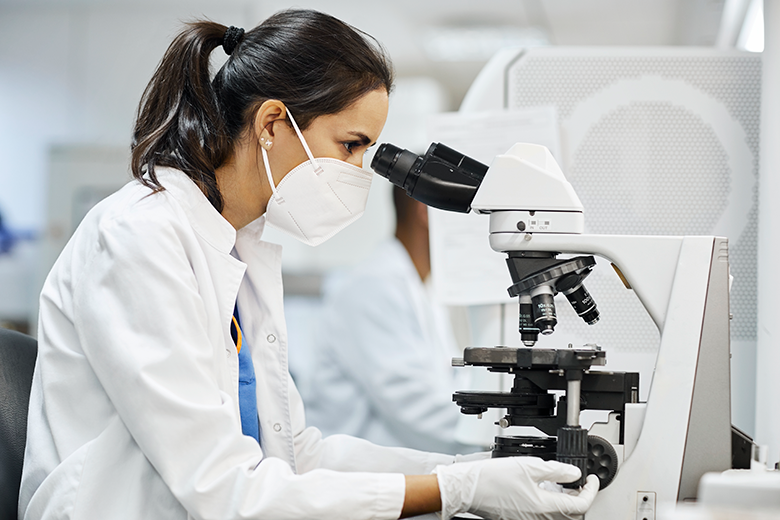
Cancer Research Institute
The Cancer Research Institute is an interdisciplinary center focused on understanding cancer with the goal of curing it.

Cancer Education & Training
The Cancer Center offers comprehensive education and training opportunities for residents, fellows and researchers.


