
Prostate Cancer Care
Expert diagnosis and treatment for prostate cancer
Contact Us
Prostate Cancer Care in Boston
The prostate is a gland that is part of the urinary system. It also produces some fluid that helps transport sperm. Prostate cancer is a tumor (one or more) that grows inside a patient's prostate. About one in eight men or male at birth will be diagnosed with prostate cancer during their lifetime, according to the American Cancer Society. It is the second most common cancer diagnosis among men or male at birth in the United States after skin cancer.
As long as the cancer remains confined to the prostate itself, it typically doesn’t cause harm. When it escapes the prostate and metastasizes (spreads) to other organs, there is treatment but no cure.
Therefore, experts have the best chance for successfully treating prostate cancer if we detect it early while the cancer remains within the gland.
The Prostate Cancer Program specialists at Beth Israel Deaconess Medical Center (BIDMC) have decades of experience in successfully detecting and treating prostate cancer. Our urologic surgeons are experts in minimally invasive approaches to treat prostate cancer.
Prostate Cancer Symptoms
Most patients with prostate cancer don’t have any symptoms, particularly in the early stage. Later stage prostate cancer can include these symptoms:
- Blood in the urine
- Blood in the semen
- Bone pain, along with pain or stiffness in the lower back, hips or thighs
- Erectile dysfunction
- Frequent urination
- Trouble urinating
- Weak or interrupted flow of urine
Some of the above symptoms may not indicate prostate cancer. They may result from a non-cancerous condition called benign prostate hyperplasia (BPH).
Prostate Screening & Diagnostic Services
Radiologists use an array of imaging options to diagnose and stage prostate cancer. BIDMC radiologists are among the finest in the field in performing exams and evaluating results. Depending on your symptoms and needs, your doctor may order one or more diagnostic tests for prostate cancer.
Screening for Prostate Cancer
We recommend that men or patients born male between who are 40 and 55 years of age with risk factors for prostate cancer — and all between 55 and 69 years — should speak to their primary care doctor about the risks and benefits of prostate cancer screening. If you have urinary symptoms, you should talk with your doctor about investigating causes; this is separate from “screening.”
If you and your doctor decide that prostate cancer screening is right for you, you will be advised to take a Prostate-specific antigen (PSA) test. This blood test measures the level of an enzyme that the prostate naturally produces. If the number is high, it may signal the presence of cancer, but not always. Some medical groups advise against regular PSA testing because it can lead to unnecessary biopsies and, in some cases, unneeded treatments. Talk with your doctor about your PSA test results, as they can help guide you on next steps.
PSA Levels
Typically, a PSA level of 4 ng/dl of blood is considered abnormal, although this does not reliably distinguish who does and does not have cancer. Usually, the doctor will repeat the test at a later date to determine whether the high reading was typical. PSA levels can fluctuate wildly. Certain things can cause an elevated reading, such as prostatitis (inflammation), sex in the days before the test or even a bicycle ride.
If the level is high again on the second test, your doctor may want you to have regular PSA tests to see if the number is increasing over time. Alternatively, your doctor may want you to get an MRI scan to determine whether a biopsy is necessary.
Biopsy
A biopsy is a common outpatient procedure used to collect small samples of tissue from the prostate. Your doctor uses transrectal ultrasound or MRI imaging to guide a thin needle to the right areas.
The tissue samples are sent to our laboratory, where a specially trained doctor called a pathologist carefully examines them. This review helps determine whether cancer cells are present and, if so, provides important information to guide your care.
Here’s the key information obtained from a biopsy:
- Whether cancer is present
- The amount of cancer present
- What grade the cancer might be
- The stage of the prostate cancer, which is also determined by physical exam and scans
Prostate Cancer Treatments
Our Prostate Center offers the latest treatment options for patients with prostate cancer. You’ll have staging and treatment planning so your care team can plan your care. If your prostate cancer is low risk, your team may suggest active surveillance with no immediate treatment.
Some patients with prostate cancer need surgery as part of their treatment. We are Boston’s foremost center of robotic surgery for prostate cancer. Our fellowship-trained surgeons have performed thousands of minimally invasive procedures. The BIDMC Cancer Center is a national leader in this approach.
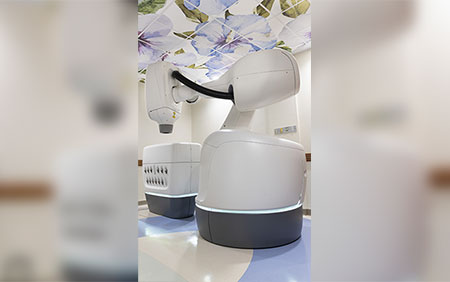
Your care team also may suggest radiation or brachytherapy as part of your prostate cancer treatment. Our radiation oncologists are highly experienced with prostate-specific approaches. For some patients, we offer CyberKnife radiation, also called stereotactic body radiation or ultra-hypofractionated radiation, which allows for a shorter treatment schedule than some standard options. We also offer SpaceOAR for patients who are good candidates.
Prostate Cancer Quality of Life Questionnaire (EPIC-CP)
The EPIC-CP questionnaire is a short form your care team may use to understand how prostate cancer and its treatment are affecting your daily life. It includes questions about urinary, bowel, sexual, and hormonal symptoms.
You may be asked to complete this questionnaire during your care. Your answers help your care team better understand your symptoms and guide your treatment and support.
More About Prostate Cancer Care
There are three main risk factors:
- Age.The risk of prostate cancer increases after age 50. Approximately 6 in 10 new cases of prostate cancer are found in men over 65.
- Race. Non-Hispanic Black males experience higher rates of prostate cancer and are more likely to develop aggressive disease at younger ages.
- Family history. If a man has a father or brother with prostate cancer, he has more than twice the risk of developing the disease than does a man with no family history.
Some inherited gene mutations, especially BRCA1 and BRCA2 (genes linked to breast and ovarian cancer), can also slightly raise the risk of prostate cancer. If you have questions about your family history or genetic risk, talk with a cancer genetics specialist.
Researchers are also studying other possible risk factors, including chemical exposure, prostate inflammation and diet.
You may qualify for one of our extensive clinical trials. We design these research studies to find better treatments for cancer patients based on the most updated information from around the world. We are committed to bringing you the latest in effective treatment options.
We provide supportive care to help you manage symptoms of cancer and side effects of cancer treatments. We also offer ongoing survivorship services during and after treatment, along with these and other care offerings:
- Bowel and digestive care after surgery or radiation therapy
- Heart health care
- Nutrition support
The Boston Prostate Cancer Support Group also offers virtual support to patients, caregivers, and family affected by prostate cancer.
Your prostate care team will include specialists from many areas across BIDMC. Depending on your needs, your team may include these and other highly trained experts in their field:
- Urologists
- Urologic surgeons
- Radiation oncologists
- Medical oncologists
- Pharmacists
- Radiologists
- Pathologists
- Oncology social workers
- Registered nurses
- Exercise physiologists

Cancer Programs
Our oncologists offer effective cancer services including treatment options for all types of cancer and stages of cancer.
Advancing Care, Research & Education

Cancer Center
The Cancer Center is renowned for exceptional cancer care and for pioneering discoveries in cancer treatment.

Cancer Research Institute
The Cancer Research Institute is an interdisciplinary center focused on understanding cancer with the goal of curing it.

Cancer Education & Training
The Cancer Center offers comprehensive education and training opportunities for residents, fellows and researchers.


