
Rehabilitation at Beth Israel Deaconess Medical Center – Chestnut Hill
Physical and Occupational Therapy in Chestnut Hill
Whether you are recovering from an injury or managing ongoing pain, our Chestnut Hill rehabilitation team provides personalized care to help you move and feel better. Our experienced Physical Therapy (PT) and Occupational Therapy (OT) staff works closely with Sports Medicine physicians at Chestnut Hill and your primary care doctor to help you heal as quickly and safely as possible.
The Chestnut Hill clinic features private treatment rooms, an open gym space and a variety of modern training equipment.
Conditions We Treat
Physical therapists provide treatment for fractures, sprains/strains, tendonitis/bursitis, and whiplash and concussions, as well as post-operative treatment. Additional conditions and injuries we treat include:
- Ankle and foot: sprains, tendinopathy, plantar fasciitis
- Hip: strains, impingement, tendinopathy, arthritis
- Knee: ligament and meniscal injuries, arthritis, patellofemoral syndrome
- Spine: low back pain, neck pain, sciatica, muscle strains
- Shoulder: rotator cuff injury, impingement, instability, throwing injuries
Occupational therapists treat:
- Hand, wrist, and elbow injuries
- Overuse injuries
- Post-operative treatment, including tendon, fracture, and nerve repairs
Occupational therapists also provide ergonomics consultations for joint protection (a review of the physical demands of your job responsibilities and work environment to reduce the risk of injury or discomfort).
Hand therapists treat hand injuries due to trauma or surgery.
Personalized Treatment Options
Our personalized treatment options are tailored to your needs and focused on improving function and comfort. These options include:
- Strengthening, flexibility and endurance exercises to improve your movement for all types of physical activities
- Joint and soft tissue mobilization, using hands-on therapy such as massage and gentle stretching, to increase your range of motion and freedom of movement, and to restore function
- Ice and heat to decrease pain and swelling
- Therapeutic ultrasound, which uses sound waves to produce heat or increase blood flow, promote healing and reduce pain and swelling
- Iontophoresis, which delivers medicine through the skin for pain relief
- Electrical stimulation, which uses an electrical current to help with pain control or muscle re-education
- Education on symptom management, joint protection strategies, proper body mechanics and positioning
- Home-exercise programs
Referrals & Insurance
You will need a referral from your physician to begin treatment, and your insurance may require prior authorization. Please contact your insurance company if you have questions. We also collect any required co-pay before each visit.
Your First Visit
At your first visit, your physical or occupational therapist will discuss your treatment goals, take a detailed history and evaluate your physical condition.
We will assess:
- Posture
- Range of motion
- Strength
- Flexibility
- Functional movement
Together with you and your referring physician, we will develop a treatment plan, including how many follow-up visits you will need. Most patients are seen for about six visits, one to three times per week. One of the most important things you can do to get the best results is to keep your scheduled appointments.
We may ask you to change into a gown at your first visit while we do a physical assessment.
We recommend that you wear or bring shorts, a T-shirt and athletic shoes. Wearing loose-fitting clothes lets you move more comfortably during your therapy session.
Most rehabilitation programs require that you do some exercises on your own at home, on a regular basis. We will review these exercises with you and give you a written home program with pictures to follow.
Scheduling Follow-Up Appointments
Current patients can use the self-scheduling tool on MyBILH Chart to book follow-up appointments.
Rehabilitation
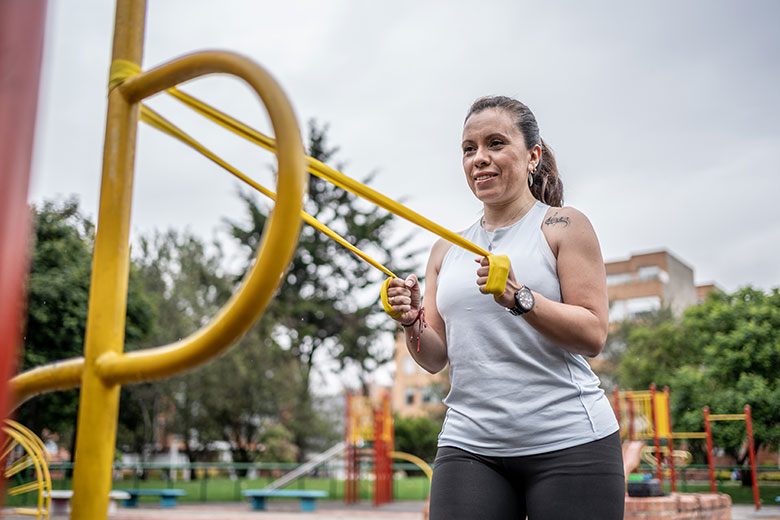
Rehabilitation services can help you recover from an illness, injury or surgery and get you back to the activities you enjoy.


