Construction activities have begun on the future cancer hospital in Boston's Longwood Medical Area as part of the Dana-Farber Beth Israel Deaconess Cancer Collaboration. Traffic, pedestrian, bicycle, and public transit access may be affected.Learn More
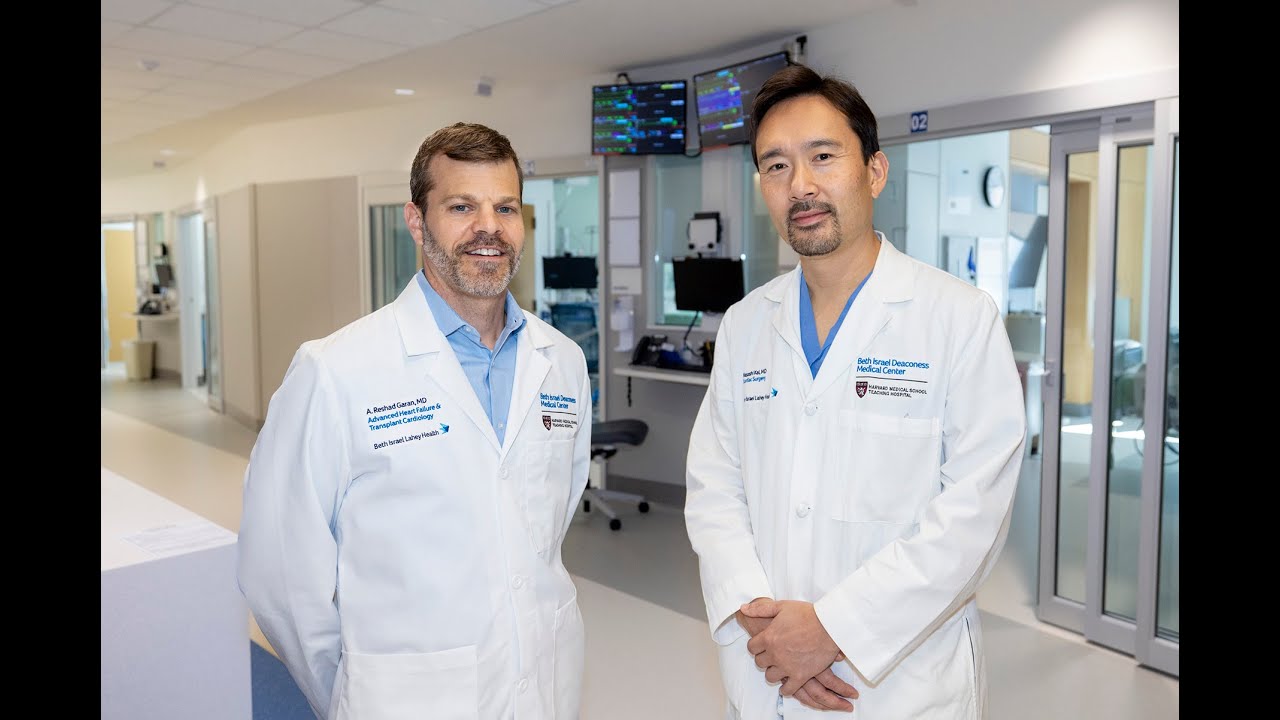
Expert heart transplant surgeons, leading-edge technology and compassionate, team-based care. These three components come together to make the Beth Israel Lahey Health Heart Transplant Program at Beth Israel Deaconess Medical Center (BIDMC) the place to turn to if you have advanced heart failure. Surgical Director Masashi Kai, MD, has performed over 350 heart transplants with outstanding results over the last decade.
We offer you a personalized treatment plan, along with support and guidance before your transplant and after surgery. We can help you live longer, feel better and have an improved quality of life.
Heart Transplant Surgery
Heart failure occurs when your heart can’t pump enough blood to meet your body’s needs. Sometimes, a heart condition you’re born with (congenital heart defect) eventually leads to heart failure. These are other causes:
Abnormal heart rhythms
Clogged heart vessels
Faulty heart valves
Weakened heart muscle
Often, through our Heart Failure Program, we can address your condition with medication or surgical treatments. But if your heart failure isn’t well managed by these therapies, heart replacement may be necessary.
Heart transplant surgery involves removing your diseased heart and replacing it with a healthier heart from a deceased donor. It’s major surgery. But it can improve your overall well-being and life expectancy.
We conduct a comprehensive evaluation to decide if a heart transplant is the right treatment for you. We look carefully at your physical and mental health, your support system and more.
Our transplant coordinator works with you to schedule needed medical tests and meetings with these and other experts from the Transplant Institute:
Doctors
Financial counselors
Nurse practitioners
Nurses
Nutritionists
Pharmacists
Psychologists
Social workers
Our goal is to make sure that a heart transplant is safe for you and that you have the tools you need for your surgery to be successful. Team members who participate in your evaluation also may be part of your care moving forward.
Once you’re accepted for an organ transplant, your name gets placed on a waiting list maintained by the United Network for Organ Sharing (UNOS). UNOS is a federal government contractor for the Organ Procurement Transplantation Network. It oversees organ donation throughout the country.
Just like other heart transplant centers in New England, we work with the New England Donor Services and other procurement groups to find the right donor for you. A good match is of similar age and matching blood type. Along with donor compatibility, your heart transplant status is determined by factors such as your time on the waiting list and the state of your health.
During your wait, we offer ongoing medical follow-up and education to help you prepare for your transplant. Our behavioral health experts are available to provide emotional support. That’s crucial for transplant success. We make sure that when a heart becomes available, you’ll be ready.
The Klarman Building at BIDMC is home to our Heart Transplant Program. After surgery, you’ll go to a single-bed, family-friendly room where you receive post-transplant care. There, we focus on helping you learn to care for your new heart and stay healthy once you leave the hospital.
Hear from our experienced team about the BILH Heart Transplant Program at BIDMC.
Heartfelt Thanks for a New Heart
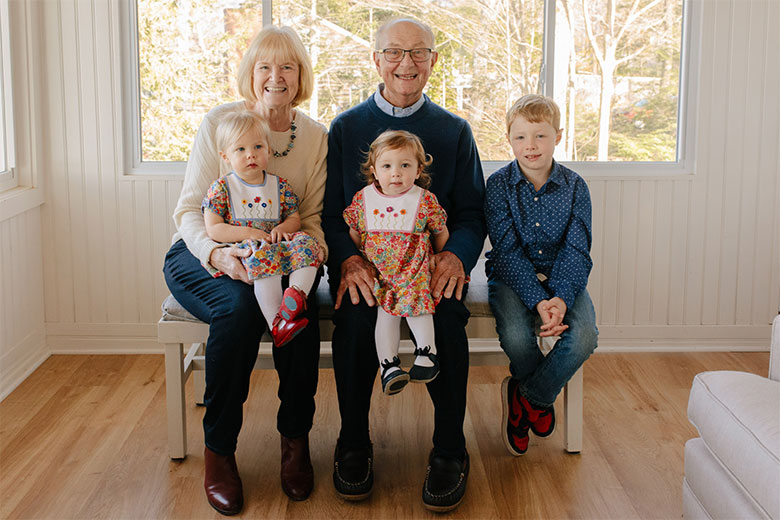
In a whirlwind of events, Bob Blanchard, former Chief of the Wenham Fire Dept., learned that his heart was failing. Thanks to his medical team's swift action, he survived after life-saving heart transplant surgery at BIDMC.