
Cancer Immunotherapy
Use the immune system to fight cancer
Contact Us
Biological Therapy for Cancer Treatment
Immunotherapy refers to treatments designed to enhance your body's response mechanisms to control tumor growth. This differs from other forms of cancer treatment — like chemotherapy — that attack the cancer itself. There are many names for immunotherapy, including immuno-oncology, biologic therapy, biologic treatment, biotherapy and biological therapy.
The Immuno-Oncology Program and the Immunotherapy Institute at Beth Israel Deaconess Medical Center (BIDMC) offer the latest biological therapies for cancer. Your cancer treatment choices depend on the type of cancer you have, how far your cancer has spread and the treatments you already tried. For some people, immuno-oncology is the best treatment choice.
Some people only need immunotherapy. Others also get chemotherapy and radiation treatment. Talk with your doctor about the kind of treatment you will receive and how it can help.
Understanding the Immune System
Your immune system includes your spleen, lymph nodes, tonsils, bone marrow and white blood cells. All of these help protect you from getting infections and diseases.
When your immune system works the way it should, it can tell the difference between "good" cells that keep you healthy and "bad" cells that make you sick. But sometimes this doesn't happen. Doctors are doing research to learn why some immune systems don't fight off diseases like cancer.
White blood cells are an important part of your immune system. When your doctor or nurse talks about your white blood cells, they may use words like these:
- Monocytes are types of white blood cells
- Lymphocytes are types of white blood cells
- B cells are kinds of lymphocytes
- T cells are kinds of lymphocytes
- Natural killer cells are kinds of lymphocytes
How Biologic Treatment Works
Biologic therapies trigger responses in your body to fight cancer using its own resources. Immunotherapy treatments mimic natural substances from the body, or drugs made from such substances.
Immuno-oncology helps your immune system fight cancer in multiple ways. It works to:
- Stop or slow the growth of cancer cells
- Make it easier for your immune system to destroy or get rid of cancer cells
- Keep the cancer from spreading to other parts of your body
Goals of Immunotherapy
Your oncologist (a physician who specializes in cancer) can use immunotherapy in multiple ways:
- To treat cancer, in combination with other treatments such as chemotherapy and radiation therapy
- To treat certain types of cancer:
Types of Immunotherapy
BIDMC offers several types of immunotherapies:
- Bone marrow transplant
- Chimeric antigen receptor T-cell (CAR T-cell) therapy
- Cytokine-based immunotherapy
- Immune checkpoint blockade drugs
- Radioimmunotherapy (uses an antibody tagged with radiation to target cancer cells to treat blood and bone marrow cancers)
Therapeutic Cancer Vaccines
Cancer vaccines are a form of immuno-oncology. While you receive other vaccines (like ones for measles or mumps) before you get sick, you receive cancer vaccines after you have cancer. Cancer vaccines may help your body fight the cancer and keep it from coming back.
Our Immunotherapy Institute has advanced capabilities to manufacture effective and promising new vaccines at the specialized Randi and Brian Schwartz Family Cancer Immunotherapy and Cell Manipulation Facility.
More About Cancer Immunotherapy
Some immuno-oncology treatments are pills or shots that you can take at home. Others you receive through an intravenous (IV) line, and you must go to the hospital or clinic to get them. If this is the case, your cancer care team will advise you how long you need to stay at the hospital or clinic.
Immunotherapy treatment schedules vary. You may receive it once a day, a couple of times a day, once a week or once a month. Your doctor will tell you how often and how long you’ll need treatment.
Multidisciplinary Team Approach
In the Immuno-Oncology Program, we use a team approach to offer full-service cancer care. Our team consists of these and other specialists:
- Clinical research associates
- Medical oncologists
- Nurse coordinators
- Nurse practitioners
- Oncology fellows
- Surgical oncologists
During your initial visit, an oncology fellow, a nurse coordinator and an attending medical oncologist will review your case in detail. They present the information that they gather at your first visit during our weekly patient conference. In this way, we develop our final recommendations for your treatment plan through a comprehensive review and input from all members of the Immuno-Oncology Program.
A clinical research associate may meet with you at one of your appointments to ask if you want to join a clinical trial. Our studies are completely voluntary and will not affect your medical care if you decide not to participate.
Side Effects of Immunotherapy
Just like other forms of cancer treatment, immuno-oncology treatments sometimes cause side effects. Side effects can include these and others:
- Flu-like symptoms such as:
- Bone Pain
- Chills
- Fatigue
- Fever
- Loss of appetite
- Muscle aches
- Nausea
- Vomiting
- Low blood pressure
- Rashes or swelling where your care team injects the treatment
Ongoing Support & Resources
Our program gives you access to many exceptional resources at BIDMC. We regularly consult with surgeons, radiologists, radiation oncologists, palliative care, nutritionists and pain management specialists. We can offer you timely and efficient referrals to these services as needed.
We have a team of social workers dedicated to the special needs of oncology patients. They will be glad to meet with you and your family at any time.
What should I bring?
Your medical insurance information: If you are covered by an HMO or an out-of-state insurance plan, you will need to obtain authorization or referral from your primary care physician (PCP) prior to your appointment. If we do not have an authorization or referral at the time of your visit, you may be asked to sign a waiver, which assigns the financial responsibility to you for services provided.
Your medical records: We must receive all medical records related to your diagnosis (including prior history of your disease diagnosis) from all physicians caring for you prior to your appointment. Records can be faxed to 617-632-9260.
Your radiologic films/scans: Your radiology films/scans (chest X-rays, ultrasounds, CT, MRI, PET or bone scans) must be hand-carried by you to your appointment and we request that they be digitized onto a CD if possible.
Your pathology/cytology slides: We must receive all of your pathology/cytology slides no later than one day prior to your appointment. This includes all pathology/cytology slides with reports from all biopsies, fine needle aspiration and/or other surgical procedures related to your diagnosis (including prior history of your disease diagnosis). Our staff will handle the requisitioning of these materials and contact you if we need your assistance and/or signature authorization to obtain. If for any reason we are unable to obtain your pathology slides and reports prior to your appointment, your appointment may need to be rescheduled.
May I bring a family member or a friend with me?
We encourage you to bring a family member or a friend to your appointment. Having such a person with you can provide support and another set of ears to hear the information you receive from the physicians regarding your diagnosis or plan of treatment.
Where do I check in?
Our clinic is located in the Shapiro Clinical Center, 330 Brookline Avenue, 9th Floor, Reception A.
How do I get to the hospital?
Follow the links below based on your specific needs. The Biologics Clinic is located in the Shapiro Clinical Center, which is part of BIDMC's East Campus. Patients can enter the Shapiro Clinical Center either at the Brookline Avenue entrance or the Longwood/Binney Street entrance near Starbucks Coffee.
Where do I park and how much does it cost?
The most convenient place to park is in the garage below the Shapiro Clinical Center. The entrance to the garage is behind the building off Binney Street. You can expect to pay up to $20 for parking depending on the length of your appointment.
Note: If you park in the East Campus Main Garage, you will arrive at the Feldberg building and will need to walk to get to the Shapiro Clinical Center. You can walk along Brookline Avenue toward Longwood Avenue. The entrance to the Shapiro Clinical Center is approximately two blocks down the street. Alternatively, go inside to the second floor of the Feldberg building, and follow the signs to the Shapiro Clinical Center.
BIDMC researchers are exploring new treatments and novel agents added to existing treatments. They are also studying how to improve the selection criteria for systemic therapy (affecting the entire body) to enhance patient outcomes.
Your physician will help you evaluate whether participation in a cancer clinical trial or immuno-oncology clinical trial is appropriate for you.
Meet the Team
Our immuno-oncology experts provide the latest biological therapies for cancer.
Medical Oncology Physicians


Advanced Practice Providers


Advancing Care, Research & Education

Cancer Center
The Cancer Center is renowned for exceptional cancer care and for pioneering discoveries in cancer treatment.
Cancer Research Institute
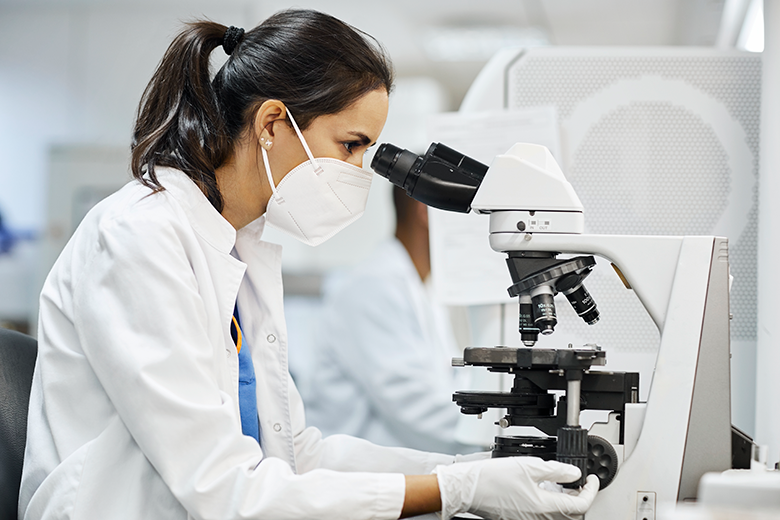
The Cancer Research Institute is an interdisciplinary center focused on understanding cancer with the goal of curing it.

Cancer Education & Training
The Cancer Center offers comprehensive education and training opportunities for residents, fellows and researchers.


