
Skin Cancer Prevention & Early Detection
Expertise in precancerous lesions, atypical moles and more
Contact Us
Skin Cancer Prevention is Key
Beth Israel Deaconess Medical Center (BIDMC) dermatologists want to help you prevent skin cancer. We provide the latest screenings and tests to diagnose skin cancer early for the most effective treatment and best long-term outcome. Work can with your primary care provider to determine how often you should see a dermatologist for screening.
Tips to Prevent Skin Cancer
Here are some things you can do to reduce your skin cancer risk:
- Limit outdoor activities between 10 a.m. and 4 p.m. when the sun is most intense.
- Wear broad-spectrum sunscreen with a skin protectant factor (SPF) 30 or higher on a daily basis.
- Use SPF 50 or higher during outdoor activities.
- Reapply sunscreen at least every two hours when outdoors.
- Seek shade whenever possible.
- Wear a wide-brimmed hat and other sun-protective clothing.
- Avoid tanning in the sun or using a tanning bed.
- Check your own skin once a month in a mirror for new or changing spots and lesions.
If you've had an organ transplant, you have an increased risk of skin cancer. Learn about care through our Transplant Dermatology Multidisciplinary Clinic.
More About Skin Cancer Prevention
Protecting yourself from the sun is important to decrease your risk of skin cancer. It also slows down the appearance of aging.
Closely follow the instructions for applying sunscreen: one application to your entire body will take about 3 ounces (one shot glass). The most common error in using sunscreen is simply not applying enough.
Apply your sunscreen half an hour before going outside. Reapply as directed on the bottle. This should be at least every two hours, and sooner if you’ve been in water or sweating heavily.
Don’t forget to protect these areas and all your exposed skin:
- Ears
- Feet
- Neck
- Scalp (if your hair is thin)
Sun Protective Clothing
Sun protective clothing is also a good option to consider. Many companies — including Coolibar, Solumbra and REI — make clothing with sun protection built in. You also can wash sun protection into your own clothing at home using your washing machine and a product called SunGuard.
Hats are a good way to protect your head and neck. Broad-brimmed hats are better for this than baseball caps, which leave your ears and the back of your neck exposed.
We encourage you to regularly examine your skin at home for changes or new growths. You should also see a dermatologist for in-office exams.
We examine your moles during your full skin exam. One way to remember concerning features in moles is ABCDE:
- A: Asymmetry. Half of your mole looks different than the other half. Normally, the two halves should look the same.
- B: Border. The mole has an irregular or jagged outline.
- C: Color. The mole has more than one color, including brown, black, red, white, blue or tan.
- D: Diameter. The mole is larger than 6 millimeters, about the size of a pencil eraser.
- E: Evolving. Monitor for a new or changing mole, including one that develops symptoms such as pain, itching or bleeding.
BIDMC dermatologists offer a wide range of skin cancer preventive treatments:
- Blue light photodynamic therapy
- Cryotherapy
- Extra screening and treatments for those at high risk for melanoma
- Pigmented Lesion Clinic
Blue Light Photodynamic Therapy
The BIDMC Phototherapy Unit uses blue light photodynamic therapy to help prevent precancerous skin changes from becoming cancerous.
Pigmented Lesion Clinic
The Pigmented Lesion Clinic is held weekly to provide initial evaluation and follow-up screenings for those at high risk for melanoma. Consider seeking care in this clinic if you fall into these categories:
- Personal history of melanoma
- Strong family history of melanoma
- Large number of atypical moles
We use regional photographs and dermoscopy (microscopic exam of the skin) to monitor atypical lesions and identify new lesions over time.
An actinic keratosis is a pre-cancerous spot on the skin. Most people notice it as a small, rough spot that doesn’t go away. If left untreated, some actinic keratoses may go on to become a type of skin cancer called squamous cell carcinoma.
There are several ways to treat these pre-cancerous spots. Most commonly, we will freeze them with liquid nitrogen in a procedure called cryotherapy. Other treatment options include:
- Prescription creams. Treat actinic keratoses at home with prescription creams that you apply to your skin for a few weeks.
- Photodynamic therapy. We perform this procedure in our office.
With any of these treatments, you can expect your skin to become red and irritated before healing.
If you have a history of skin cancer, you should monitor your skin at home between visits to the dermatology clinic for new, concerning lesions. Skin cancers can appear as new bumps or spots on your skin that don’t go away after a few weeks, are painful or bleed.
If you notice any new spot on your skin that does not go away after four to eight weeks, please schedule a visit with us as soon as possible.
If you are diagnosed with skin cancer, rest assured that you can rely on our expert team of dermatologists, oncologists and other specialists working together for your care.
Advancing Care, Research & Education

Department of Dermatology
The Department of Dermatology offers exceptional patient care, research programs and education and training opportunities.
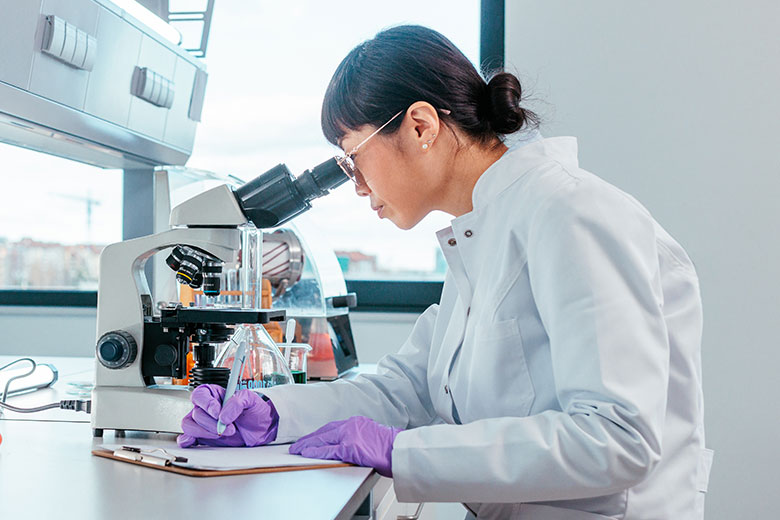
Dermatology Research
The Clinical Laboratory for Epidemiology and Applied Research in Skin (CLEARS) is committed to leading-edge skin research.

Dermatology Education
The department offers comprehensive education and training programs for healthcare professionals, including fellowships and residencies.


