Clinical Trials at BIDMC
Review our current research studies.

The Division of Translational Research and Technology Innovation within the Department of Medicine at BIDMC provides a unique platform for faculty who play a major role in the infrastructure for clinical/translational investigation.
Led by Steven Freedman, MD, PhD, the division's broad expertise in science and healthcare delivery aims to improve the physician-patient interaction and optimize research from bench-to-bedside patient care.
Dr. Freedman and his collaborators have authored numerous studies and papers over the years.
This Division of Translational Research at BIDMC was initially integrated with the Harvard-Thorndike General Clinical Research Center (GCRC) of Beth Israel Deaconess Medical Center, the product of a merger of the clinical research activities of three institutions, the Beth Israel Hospital, the Thorndike Memorial Laboratory of the Harvard Medical Unit at Boston City Hospital, and the New England Deaconess Hospital. At the time of its dedication in 1923, the Thorndike Memorial Laboratory at Boston City Hospital was unique in concept and in function.
The original four-story Thorndike Building was designed to house research laboratories for the full-time staff of the Harvard Medical Unit at Boston City Hospital in very close proximity to a research ward where patients could be observed for long periods, free of charge. Thus, the Thorndike served as a prototype of patient-oriented research not only for hospital-funded units devoted to clinical investigation but also, in a very real sense, for general clinical research centers themselves. This prototypic role of the Thorndike Laboratories was transformed into formal participation in the GCRC Program with the permanent funding of the Unit in 1964 and its transfer to BIDMC. There were two satellites of the GCRC, the Joslin Diabetes Center and The Forsyth Dental Institute. They are world leaders in diabetes and dental research, respectively.
Recently, the GCRC was incorporated into the Harvard Clinical Translational Science Center (CTSC) funded through the NIH Clinical and Translational Science Award. This five-year $200 million grant from the National Institutes of Health which includes institutional support from Harvard University, Harvard Medical School, and the affiliated Academic Health Care Centers brings together the 11 Harvard schools and 18 Harvard teaching hospitals in an unprecedented collaboration to advance therapeutic discovery and patient care.
Dr. Steven Freedman played a key role as the Associate Dean of Clinical and Translation Research at Harvard Medical School in obtaining NIH funding to support the Harvard CTSC. The goal of the Harvard CTSC is to enhance clinical and translational research by addressing critical gaps and barriers and providing the needed connections to facilitate discoveries from the bench to the bedside. This included 10 Programs: education and training, regulatory support, biostatistics, biomedical informatics, novel clinical and translational methodologies, translational technologies, participant clinical interactive resources (replaces the GCRCs), diversity and health disparities research, community outreach research, and pilot grant funding. The Division of Translational Research and Technology Innovation plays a major role in Harvard Catalyst initiatives including mentoring, biostatistics support, and the Grant Review and Support Program (GRASP).
Successful clinical and translational research requires an interdisciplinary and cross-institutional approach. An important aspect in translational research are cross-disciplinary partnerships bringing together different groups within academia and with industry and government. Dr. Camilia Martin plays a critical role as Director of Cross-Disciplinary Partnerships to develop successful models to facilitate these relationships.
Research activities conducted by Division leadership and faculty can be divided into three areas and represent a broad range of science/healthcare delivery. The first focuses on providing the infrastructure and tools necessary for clinical/translational investigation. This includes biostatistical support and study design assistance to investigators (Shiva Gautam, PhD) and IRB support (Anna Johansson, PhD). The second area focuses on providing strategic vision and initiatives through Dr. Freedman's leadership role both at a local BIDMC level and Harvard-wide. The third area advances healthcare delivery through approaches that structure the physician-patient interaction (Passport to TRUST).
The Division has led multiple educational initiatives, including educational programs revolving around clinical research training, compliance, and research infrastructure related to study design, biostatistics/bioinformatics, ethics, and scientific approaches. All members of the Division of Translational Research play key roles in providing research and education clinical mentorship through Harvard Catalyst programs.
Dr. Freedman also leads the Franklin Epstein Society. The Epstein Society was created within the Department of Medicine with the overarching goal to provide a longitudinal support program and pipeline that integrates across the continuum from our Internal Medicine Physician Scientist Track Residency Program, to Fellowship, to the Junior Faculty level within the Department of Medicine. The goal is to bring together individuals interested in a career in research through a supportive and interactive environment that cultivates the needed supports to maximize success as a researcher.
After a successful start under the leadership of Dr. Freedman, the program was expanded across BIDMC. The elements of this program consist of monthly virtual webinars on topics ranging from grant writing strategies, obtaining alternative sources of grant funding, patenting, pharma/biotech collaborations, technology innovations, and career advancement. In addition, Dr. Freedman provides individualized NIH K grant reviews and input. The goal is to help advanced fellows and junior faculty successfully compete for their first NIH K or equivalent award. Successful NIH K funding is then followed with enrollment in Dr. Freedman’s Harvard Catalyst Grant Review and Support Program (GRASP) which has a 74% NIH R01 success rate with 28% of individuals obtaining an R01 on the first attempt.
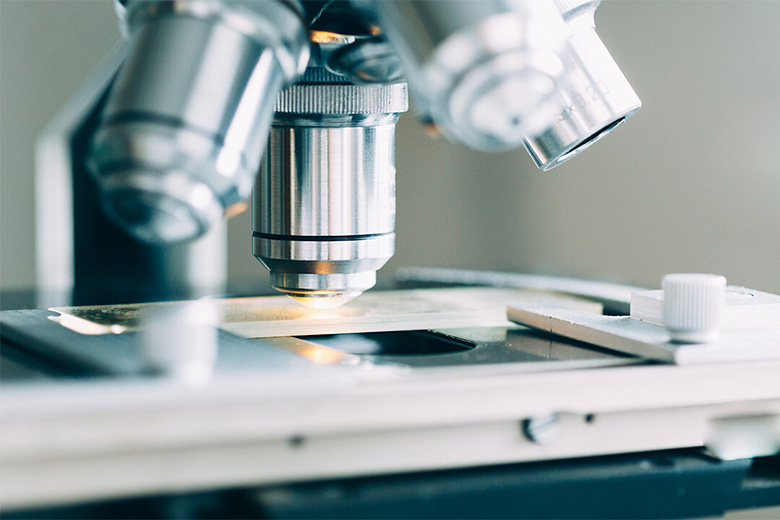

The Department of Medicine at BIDMC is a recognized leader in patient care, medical education and biomedical research.
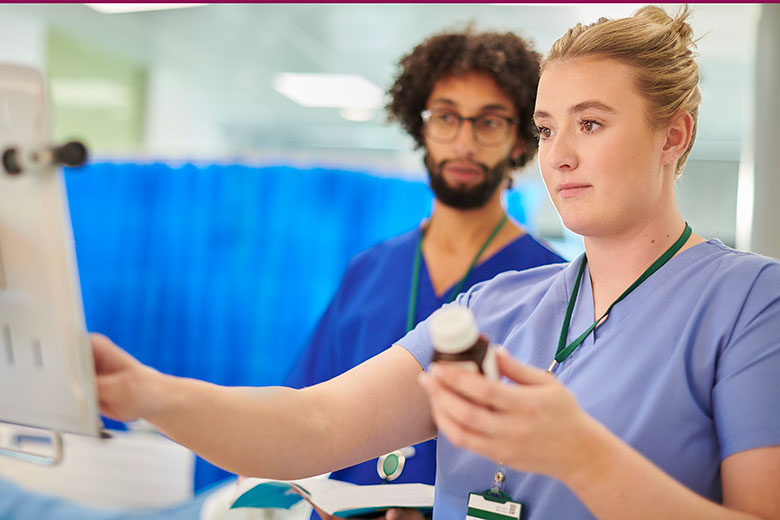
The Department of Medicine is renowned for its teaching, with educational programs led by a team of nationally-known faculty.

BIDMC's Department of Medicine provides a wide range of patient care services, from routine primary care through advanced specialty care.


