
Medicine Medical Student Education
Exemplary education for our Harvard Medical Students
Training Future Physicians Across Medicine
Our faculty across the Department of Medicine enjoys the opportunity to teach students, bringing to our learning community a high level of excellence expressed in a rich diversity of accomplishments, talents, interests, and backgrounds.
Our primary learners are the Harvard Medical School students who are eager to work with our faculty. Our educators are well known for emphasizing clinical decision-making, the patient-doctor relationship, the social context of healthcare, communication skills, and professionalism in their teaching encounters.
Faculty in our department are currently involved in all aspects of the curriculum at Harvard Medical School.
Practice of Medicine Course
Practice of Medicine (POM) is a year-long state-of-the-art clinical skills course for entering Harvard Medical students. It is integrated closely with concurrent basic science courses and has four main components.
Four Components of POM
- A mentored, longitudinal primary care experience
- A robust interviewing and communication skills curriculum
- A physical diagnosis curriculum with multiple bedside and outpatient encounters with real patients
- Monthly sessions that foster reflection and professional development
Core I Medicine Clerkship (Principal Clinical Experience)
Approximately one-third of Harvard Medical Students complete their third-year Medicine Clerkship.
This twelve-week clerkship at BIDMC includes eight weeks on inpatient services and four weeks in ambulatory settings. Students gain hands-on experience in patient evaluation and management, working with medical teams and preceptors.
The program emphasizes skills in history-taking, physical exams, and diagnostic planning, alongside comprehensive patient care. Teaching methods include bedside sessions, lectures, and conferences. Continuous feedback is provided by residents, attending physicians, and clerkship directors, with evaluations based on clinical skills and interactions.
Core II Medicine Clerkship (Sub-Internship)
This program provides fourth-year medical students with additional experience in the evaluation and management of patients on the general medical service. All Harvard Medical Students are required to complete a medicine sub-internship, approximately one-third of whom complete their rotation at BIDMC.
Additional Medical Student Programs
Medical students have the opportunity to learn and develop their skills in several hands-on, highly rated programs. Here are just a few examples:
The Sub-Intern Resident Service (SIRS) is a highly rated month-long inpatient experience that prepares students for internship. The SIRS service is designed to allow students to evaluate and manage patients with complicated medical problems under the supervision of house staff and medical attending staff. Students are expected to function in a more independent manner than in Core Medicine I and to assume more direct responsibility for patient care.
The rotation consists of three teams of one resident and one to two medical students, geographically based on one of our floors. The sub-interns function as interns. They perform initial assessments, write all orders, respond to all pages, and prepare all discharge paperwork. The residents supervise closely while teaching the students basic concepts important to inpatient care. Sub-interns spend three weeks working with the day team and one week admitting patients from the emergency department to the medical service as part of a Medicine team stationed in the emergency department.
In addition to patient care responsibilities and rounds-based teaching on the wards, the students have a curriculum of high yield clinical topics taught by expert medical educators. These interactive talks are given daily. The students also meet with the course director weekly for course director rounds.
Through this course, students are provided with just-in-time learning opportunities to build foundational clinical skills that will support their transition to the core clinical year.
This clerkship provides students with a longitudinal experience in primary care with a focus on managing illness over time, health promotion, and integrating into the healthcare team.
Students work one-on-one with a primary care doctor for several sessions per month throughout the Principal Clinical Experience.
Faculty members of the BIDMC Department of Medicine play an active role in the pre-clerkship curriculum and serve in many leadership positions. This curriculum is taught with the flipped classroom model which relies heavily on a small group of core faculty which is well represented by the Department of Medicine.
In Homeostasis 1 (physiology and pathophysiology of the heart, lungs and hematologic system), Dr. Richard Schwartzstein and Dr. Coco Fraiche serve as core faculty members.
In 2015, Dr. Schwartzstein, the Gordon Professor of Medical Education, Vice President for Education of the Beth Israel Deaconess Medical Center and Faculty Associate Dean for Education at BIDMC, chaired the Steering Committee that developed the Pathways curriculum with its current innovative case based collaborative learning (CBCL) model. Recipient of multiple HMS and national teaching awards, including the Robert J. Glaser award of the AAMC, Dr. Schwartzstein previously served as course director for Homeostasis 1, served as Director of Education Scholarship and now serves as Chair of the Learning Environment Steering Committee.
Dr. Melanie Hoenig serves as the Course Director of Homeostasis 2 (physiology and pathophysiology of the kidneys, GI and endocrine systems). Department of Medicine core faculty members include Drs. Stewart Lecker, Jeff William, Alex Morales and Philip Kemp for renal content and Dr. Lauren Yang for the GI content.
The Department of Medicine is also represented in the Health Sciences and Technology Program. Dr. Sarah Flier serves as the Gastroenterology Course Director, and Drs. Jason Freed and Sol Schulman serve as the Hematology Course Directors.
HMS Students are required to take two Advanced Integrated Science Courses (AISCs) after their core clerkship year. A variety of topics are offered with the goal of having students critically analyze emerging research and apply it to medical practice.
Dr. Anjala Tess developed and is the Course Director of the Health Systems Science AISC. Dr. Jennifer Potter is an Associate Course Director of the Sex- and Gender-Informed Medicine: Research, Clinical Practice, and Population Health AISC.
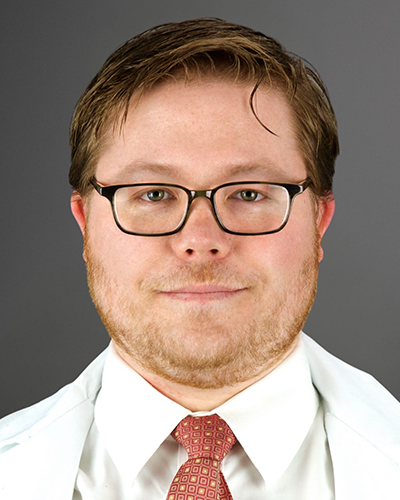
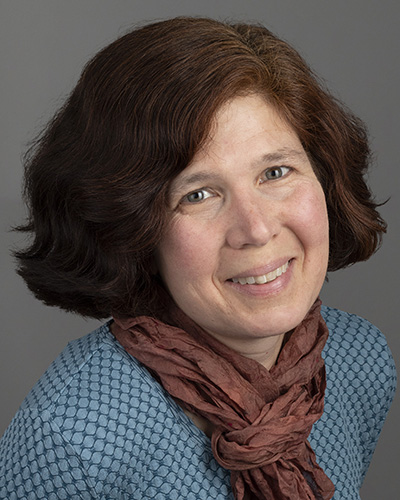
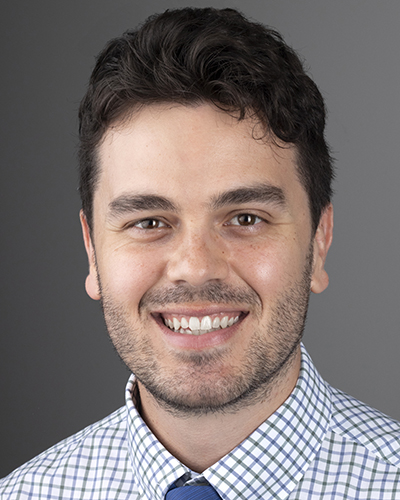
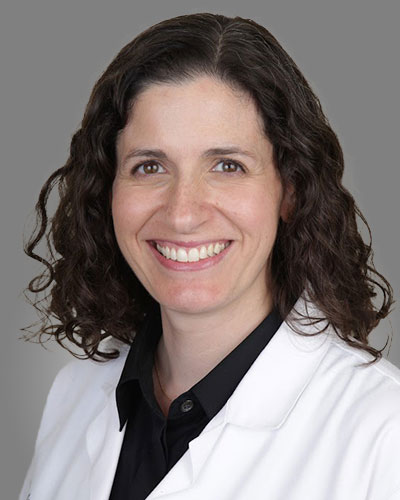
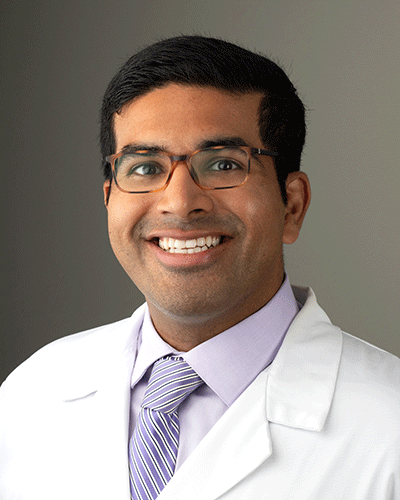
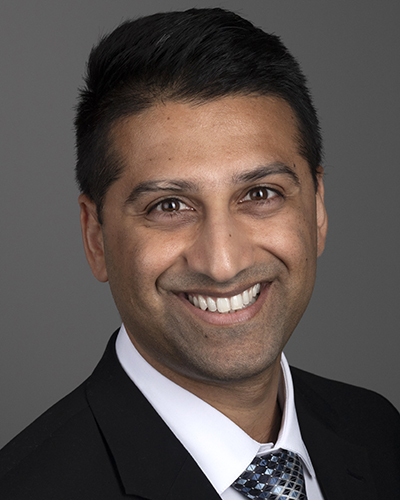
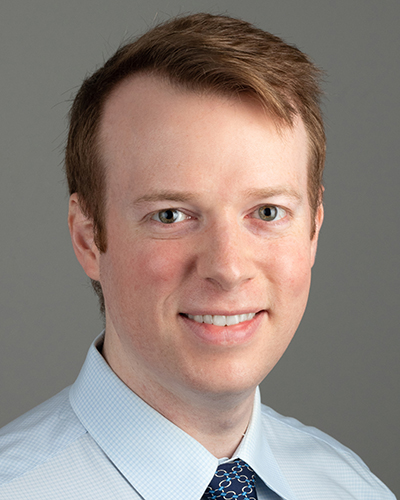
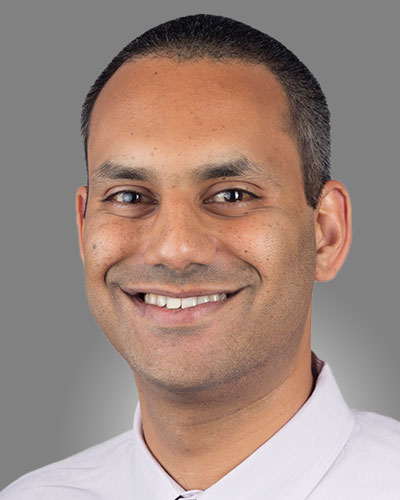
Meet the Faculty

Advancing Care, Research & Education

Department of Medicine
The Department of Medicine at BIDMC is a recognized leader in patient care, medical education and biomedical research.

Research
The Department of Medicine is engaged in leading-edge research to help better understand and treat a variety of health conditions.

Services
BIDMC's Department of Medicine provides a wide range of patient care services, from routine primary care through advanced specialty care.


