Transformative Research in Nephrology
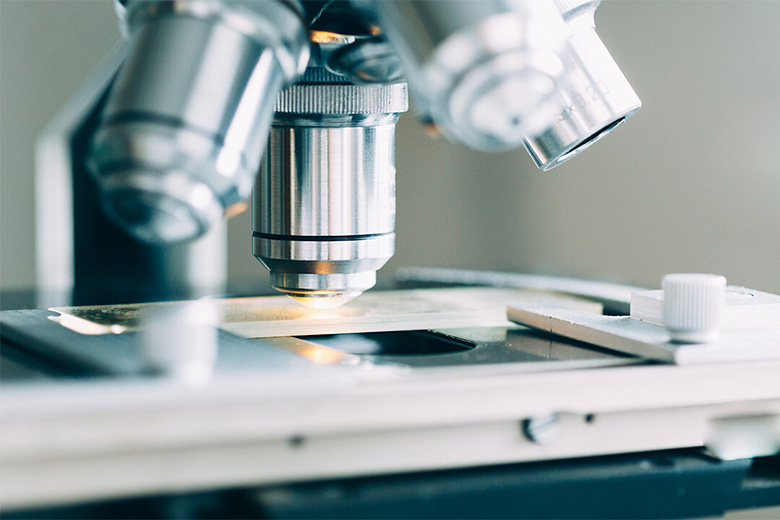
The Division of Nephrology is committed to research that changes lives. Our goal is not only to publish discoveries, but to advance kidney medicine and improve care for patients with kidney disease. Our scientists and laboratories are driving innovation across basic, translational, and clinical research, expanding our understanding of kidney biology and creating new approaches to treatment. At the same time, we are training the next generation of physician–scientists through mentorship and medical education.
Our investigators' areas of interest include:
- Molecular, cellular and anatomical renal physiology
- Kidney injury and failure
- Mechanisms and treatment of chronic kidney disease in the context of genetics and other illness
- Vascular renal biology
- Kidney transplantation
Nephrology Research Faculty
- Alper Lab: Led by Seth Alper, MD, PhD, this lab investigates the molecular pathophysiology, disease genetics and physiology of plasma membrane ion transporters and channels in renal, gastrointestinal, and other epithelial cells and in red blood cells.
- Czarnecki Lab: Led by Peter G. Czarnecki, MD, this lab focuses on basic concepts of cell signaling through primary cilia, the molecular mechanisms of disease pathogenesis in polycystic kidney disease (PKD), and related ciliopathy syndromes.
- Feng Lab: Led by Di Feng, PhD, this lab focuses on investigating genes and pathways contributing to the onset and pathogenesis of chronic kidney disease.
- Friedman Lab: Led by David Friedman, MD, the research conducted in this lab spans human genetics, animal models and basic molecular biology with the goal of understanding the causes underlying chronic kidney disease.
- Hill Lab: Led by Warren Hill, PhD, the primary research interests in this lab relates to sensory functioning of the bladder epithelium the urothelium and the role of integrins in bladder smooth muscle.
- Kreidberg Lab: Led by Jordan Kreidberg, MD, PhD, this lab's research interest is focused the molecular biology of glomerular disease, and particularly on injury to podocytes, a key cell type in the glomerulus.
- Pollak Lab: Led by Martin Pollak, MD, this lab studies the molecular and genetic basis of kidney disease in humans.
- Schumacher Lab: Led by Valerie Schumacher, PhD, this lab investigates how transcriptional and post-transcriptional changes affect the initiation and progression of kidney disease. The main focus lies on studying changes in RNA editing and localized mRNA translation.
- Subramanian Lab: Led by Balaji Subramanian, PhD, the mission of this lab is to create new tools to research various kidney diseases, use them and gain insights, and train and prepare future kidney researchers who transcend traditional disciplines.
- Yu Lab: Led by Weiquen Yu, MD, PhD, this lab focuses on benign urological diseases and strives to understand the molecular mechanisms underlying these diseases, such as overactive bladder, urinary incontinence and ketamine cystitis.
- Zeidel Lab: Led by Mark Zeidel, MD, this lab focuses on mechanisms of water and small molecule flow across biological membranes and on mechanisms of epithelial injury.
- Zsengeller Lab: Led by Zsuzsanna Zsengeller, MD, PhD, this lab's focus is on understanding the etiology of pre-eclampsia and the development of small-molecule therapeutics for this disease.